
 EN
EN
 DA
DA
 AR
AR
 NL
NL
 FI
FI
 FR
FR
 DE
DE
 EL
EL
 HI
HI
 IT
IT
 JA
JA
 KO
KO
 NO
NO
 PL
PL
 PT
PT
 RU
RU
 ES
ES
 SV
SV
 TL
TL
 ID
ID
 SR
SR
 UK
UK
 VI
VI
 HU
HU
 TH
TH
 TR
TR
 FA
FA
 AF
AF
 MS
MS
 GA
GA
 MK
MK
 HY
HY
 KA
KA
 BN
BN
 LA
LA
 MN
MN
 NE
NE
 MY
MY
 KK
KK
 UZ
UZ
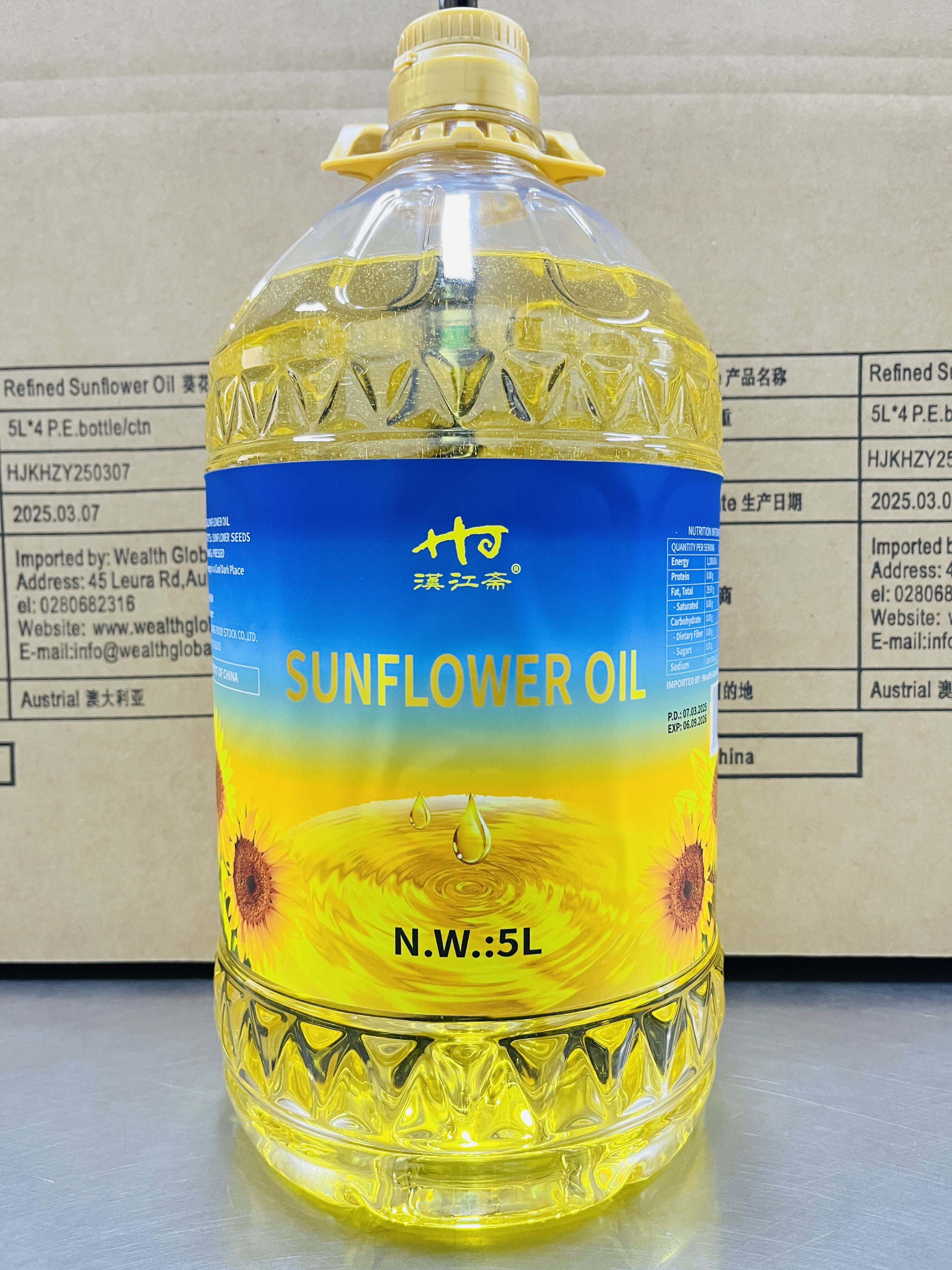
The global food industry relies heavily on high-quality cooking oils to meet consumer demands and regulatory requirements. Among the most widely used edible oils, refined sunflower oil stands out for its neutral flavor profile, high smoke point, and excellent nutritional characteristics. Understanding the quality standards that govern this essential ingredient is crucial for food manufacturers, distributors, and quality assurance professionals who need to ensure product safety and compliance across international markets.
Quality assurance in edible oil production involves multiple layers of testing, certification, and ongoing monitoring throughout the supply chain. From initial seed selection to final packaging, each stage of refined sunflower oil production must adhere to specific parameters that ensure the end product meets both safety requirements and performance expectations. These standards encompass chemical composition, physical properties, microbiological safety, and packaging integrity, creating a comprehensive framework for quality control.
International Quality Standards and Certifications
Codex Alimentarius Guidelines
The Codex Alimentarius Commission establishes the foundation for refined sunflower oil quality standards worldwide. These internationally recognized guidelines define acceptable limits for various parameters including free fatty acid content, peroxide value, and moisture levels. The Codex standard for refined sunflower oil specifies that the free fatty acid content should not exceed 0.1% when expressed as oleic acid, ensuring optimal shelf stability and consumer acceptance.
Peroxide value limitations under Codex guidelines require refined sunflower oil to maintain levels below 10 milliequivalents of active oxygen per kilogram. This measurement indicates the oil's oxidative stability and directly impacts flavor quality over time. Additionally, moisture and volatile matter content must remain below 0.1% to prevent microbial growth and maintain product integrity during storage and distribution.
ISO Certification Requirements
International Organization for Standardization protocols provide detailed testing methodologies for refined sunflower oil quality assessment. ISO 660 specifies the procedures for determining acid value, while ISO 3960 outlines peroxide value testing methods. These standardized approaches ensure consistent quality evaluation across different laboratories and geographic regions, facilitating international trade and quality assurance.
The ISO 22000 food safety management system standard applies directly to refined sunflower oil production facilities. This comprehensive framework addresses hazard analysis, critical control points, and preventive measures throughout the manufacturing process. Compliance with ISO 22000 demonstrates a producer's commitment to systematic quality management and continuous improvement in food safety practices.
Chemical Composition Standards
Fatty Acid Profile Requirements
The fatty acid composition of refined sunflower oil must fall within specific ranges to meet quality standards. Oleic acid content typically ranges from 14% to 40%, while linoleic acid comprises 48% to 74% of the total fatty acid profile. Palmitic acid levels should remain between 5% and 7.6%, and stearic acid content must stay within 2.7% to 6.5% parameters.
These fatty acid ratios directly influence the oil's nutritional value, stability characteristics, and cooking performance. Quality control laboratories regularly analyze refined sunflower oil samples using gas chromatography to verify compliance with established fatty acid profiles. Deviations from these ranges may indicate processing issues or contamination with other oil types.
Antioxidant and Additive Regulations
Natural and synthetic antioxidants play crucial roles in maintaining refined sunflower oil quality during storage and use. Tocopherol content, particularly alpha-tocopherol, must meet minimum levels to provide adequate oxidative protection. Many quality standards specify minimum tocopherol concentrations of 400-500 mg per kilogram to ensure satisfactory shelf life performance.
Approved food-grade antioxidants such as BHA, BHT, and TBHQ may be added to refined sunflower oil within strictly regulated limits. These synthetic antioxidants must not exceed maximum permitted levels, typically ranging from 100-200 mg per kilogram depending on the specific compound and regional regulations. Proper labeling requirements ensure transparency regarding antioxidant additions for food manufacturers and consumers.
Physical and Sensory Quality Parameters
Color and Appearance Standards
Visual quality assessment represents a fundamental aspect of refined sunflower oil evaluation. The oil must exhibit a clear, bright appearance free from cloudiness, sediment, or foreign particles. Color measurements using standardized lovibond or AOCS color scales ensure consistency across production batches and help identify potential processing irregularities.
Acceptable color ranges for refined sunflower oil typically fall within specific lovibond units, with yellow values not exceeding predetermined limits and red values remaining minimal. These color parameters correlate with processing efficiency and indicate the successful removal of pigments, phospholipids, and other compounds during refining operations.
Smoke Point and Thermal Stability
The smoke point of refined sunflower oil serves as a critical quality indicator for high-temperature cooking applications. Quality standards typically require minimum smoke points of 230-240 degrees Celsius, ensuring suitability for deep frying and other demanding culinary processes. Regular testing using standardized methods verifies that refined sunflower oil maintains acceptable thermal performance characteristics.
Thermal stability testing evaluates how refined sunflower oil performs under extended heating conditions. These assessments measure changes in acid value, peroxide value, and polymer content after controlled heating cycles. Results help predict oil behavior during commercial food preparation and establish appropriate usage guidelines for industrial customers.
Microbiological Safety Requirements
Pathogen Testing Protocols
Microbiological safety standards for refined sunflower oil focus on preventing contamination with harmful bacteria, yeasts, and molds. Testing protocols typically screen for indicator organisms such as total aerobic count, coliforms, and specific pathogens including Salmonella and E. coli. These comprehensive assessments ensure that the oil poses no microbiological risks to consumers or food processing operations.
The refining process itself contributes significantly to microbiological safety through high-temperature treatment steps that eliminate most vegetative bacteria and spores. However, post-processing handling, storage, and packaging require careful attention to prevent recontamination. Regular environmental monitoring and sanitation validation support ongoing microbiological quality assurance efforts.
Shelf Life Determination
Establishing appropriate shelf life parameters requires extensive stability testing under various storage conditions. Accelerated aging studies expose refined sunflower oil to elevated temperatures and humidity levels to predict long-term quality changes. These studies track key quality indicators including peroxide value, free fatty acid development, and sensory characteristics over time.
Real-time shelf life studies complement accelerated testing by monitoring refined sunflower oil quality under normal storage conditions. These extended evaluations provide definitive data on product stability and help establish optimal packaging materials, storage requirements, and expiration dating guidelines for commercial distribution.
Packaging and Labeling Standards
Container Material Requirements
Packaging materials for refined sunflower oil must meet strict food safety and quality preservation standards. Food-grade containers constructed from appropriate plastics, metals, or glass provide barriers against light, oxygen, and moisture that could compromise oil quality. Migration testing ensures that packaging materials do not transfer harmful substances to the oil during storage.
Light protection represents a particularly important consideration for refined sunflower oil packaging. Ultraviolet radiation can accelerate oxidation processes and degrade quality over time. Dark-colored containers or light-blocking treatments help maintain oil stability during retail display and consumer storage periods.
Traceability and Documentation
Comprehensive traceability systems enable tracking of refined sunflower oil from source materials through processing, packaging, and distribution. Quality standards require detailed record-keeping that documents raw material origins, processing parameters, testing results, and distribution chains. This information supports rapid response capabilities in case of quality issues or regulatory inquiries.
Lot coding and batch identification systems facilitate precise inventory management and quality control tracking. Each container of refined sunflower oil must carry clear identification marks that link to complete production records. These systems enable manufacturers to quickly isolate and address any quality concerns that may arise during product lifecycle management.
Regional Regulatory Variations
European Union Standards
European Union regulations for refined sunflower oil incorporate both general food safety requirements and specific oil quality standards. The EU Novel Food Regulation addresses genetically modified sunflower varieties, while general food law principles ensure comprehensive safety assessment throughout the supply chain. HACCP implementation requirements mandate systematic hazard analysis and control measures.
Labeling requirements under EU regulations demand clear identification of refined sunflower oil characteristics, including origin information, processing methods, and any added ingredients. Nutritional labeling standards require disclosure of energy content, fat composition, and other relevant nutritional parameters to support informed consumer decision-making.
United States FDA Guidelines
The Food and Drug Administration establishes comprehensive quality and safety standards for refined sunflower oil in the United States market. FDA regulations address good manufacturing practices, facility registration requirements, and preventive controls that manufacturers must implement. The Food Safety Modernization Act enhanced these requirements with risk-based approaches to food safety management.
GRAS status recognition for refined sunflower oil confirms its safety for intended food uses under FDA oversight. However, any new processing methods, additives, or novel applications may require additional safety evaluations and regulatory approval processes. Ongoing compliance monitoring ensures continued adherence to evolving regulatory requirements.
Quality Testing and Analysis Methods
Laboratory Testing Procedures
Comprehensive quality evaluation of refined sunflower oil requires sophisticated analytical techniques and equipment. Gas chromatography analysis determines fatty acid profiles with high precision, while spectrophotometric methods measure color, peroxide values, and other chemical parameters. These standardized testing procedures ensure consistent and reliable quality assessment across different facilities and regions.
Sample collection and handling protocols play crucial roles in obtaining accurate testing results. Proper sampling techniques, storage conditions, and chain of custody procedures prevent contamination and degradation that could affect analytical outcomes. Regular calibration and validation of testing equipment maintain measurement accuracy and reliability over time.
In-Process Quality Monitoring
Real-time quality monitoring during refined sunflower oil production enables immediate process adjustments and quality optimization. Continuous measurement systems track critical parameters such as temperature, pressure, and chemical composition throughout refining operations. These monitoring capabilities help prevent quality deviations and reduce the need for expensive reprocessing or product rejection.
Statistical process control methods analyze quality data trends and identify potential issues before they impact final product quality. Control charts, capability studies, and other analytical tools support proactive quality management and continuous improvement initiatives. Regular review of process performance data guides optimization efforts and regulatory compliance strategies.
FAQ
What are the most critical quality parameters for refined sunflower oil
The most critical quality parameters for refined sunflower oil include free fatty acid content below 0.1%, peroxide value under 10 milliequivalents per kilogram, moisture content below 0.1%, and appropriate fatty acid profile ratios. Color specifications, smoke point requirements above 230°C, and microbiological safety standards also represent essential quality indicators that determine product acceptability for food production applications.
How do international standards differ for refined sunflower oil quality
International standards for refined sunflower oil quality show minor variations in specific parameter limits and testing methodologies, but generally align on fundamental safety and quality principles. European Union standards emphasize traceability and novel food regulations, while FDA guidelines focus on preventive controls and HACCP implementation. Codex Alimentarius provides the baseline framework that most regional standards reference and adapt to local requirements.
What testing frequency is required for refined sunflower oil quality assurance
Testing frequency for refined sunflower oil quality assurance typically includes batch-by-batch analysis of critical parameters such as acid value, peroxide value, and moisture content. Comprehensive testing including fatty acid profiles, color measurements, and microbiological screening may occur on a daily or weekly basis depending on production volume and risk assessment. Shelf life monitoring requires periodic testing throughout the product's intended storage period.
How does packaging impact refined sunflower oil quality standards
Packaging significantly impacts refined sunflower oil quality standards by providing protection against light, oxygen, and moisture that can cause quality degradation. Food-grade materials must pass migration testing to ensure no harmful substances transfer to the oil. Light-blocking properties help maintain oxidative stability, while proper sealing prevents moisture uptake and contamination. Packaging standards also address labeling requirements, traceability systems, and proper identification for quality control tracking.