
 EN
EN
 DA
DA
 AR
AR
 NL
NL
 FI
FI
 FR
FR
 DE
DE
 EL
EL
 HI
HI
 IT
IT
 JA
JA
 KO
KO
 NO
NO
 PL
PL
 PT
PT
 RU
RU
 ES
ES
 SV
SV
 TL
TL
 ID
ID
 SR
SR
 UK
UK
 VI
VI
 HU
HU
 TH
TH
 TR
TR
 FA
FA
 AF
AF
 MS
MS
 GA
GA
 MK
MK
 HY
HY
 KA
KA
 BN
BN
 LA
LA
 MN
MN
 NE
NE
 MY
MY
 KK
KK
 UZ
UZ

The distinctive nutty aroma and rich flavor profile of roasted black sesame have made it an increasingly popular ingredient in modern bakery and snack manufacturing. Food manufacturers worldwide are discovering how this ancient grain transforms ordinary products into premium offerings that captivate consumer palates. The complex flavor compounds developed through proper roasting techniques create depth and sophistication that elevates everything from artisanal breads to gourmet confections. Understanding the science behind roasted black sesame flavor enhancement enables producers to maximize its potential in diverse applications while meeting growing consumer demand for authentic, natural ingredients.
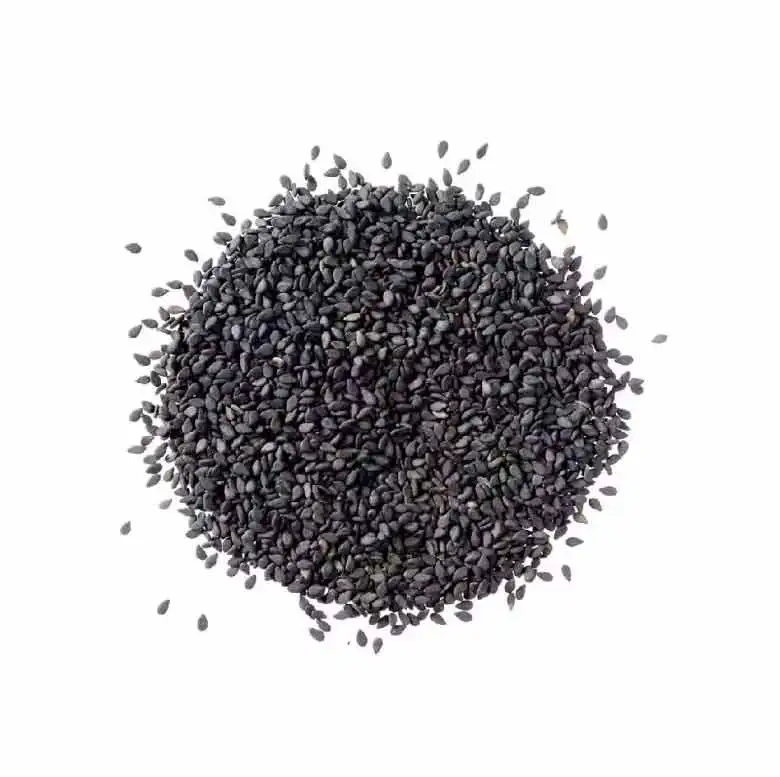
Chemical Transformation During Roasting Process
Maillard Reaction Development
The roasting process fundamentally alters the chemical composition of black sesame seeds through the Maillard reaction, which occurs when amino acids and reducing sugars interact under heat. This complex series of reactions generates hundreds of flavor compounds that give roasted black sesame its characteristic taste profile. Temperature control during roasting becomes critical, as different heat levels produce varying intensities of nutty, toasted, and caramelized notes. Professional food manufacturers typically roast black sesame seeds at temperatures between 140-160°C to achieve optimal flavor development while preserving nutritional integrity.
The Maillard reaction in roasted black sesame creates pyrazines, furans, and aldehydes that contribute to its distinctive aroma compounds. These volatile organic compounds become more pronounced as roasting time increases, allowing manufacturers to customize flavor intensity based on specific product requirements. Research indicates that properly roasted black sesame contains over 50 identified flavor compounds, each contributing unique sensory characteristics that enhance overall taste perception in finished products.
Oil Content Activation
Black sesame seeds naturally contain approximately 50-60% oil content, which becomes more accessible and flavorful through the roasting process. Heat treatment breaks down cellular structures, allowing natural oils to migrate toward the seed surface where they contribute to both flavor and texture enhancement. The activated oils in roasted black sesame provide rich mouthfeel and carry fat-soluble flavor compounds throughout bakery matrices, ensuring consistent taste distribution in finished products.
Temperature-controlled roasting preserves beneficial compounds while optimizing oil extraction potential. The natural oils released during roasting contain sesamin and sesamolin, lignans that contribute subtle bitter notes that balance the overall flavor profile. These activated oils also improve ingredient binding properties in bakery applications, reducing the need for additional emulsifiers while enhancing product stability and shelf life.
Flavor Profile Characteristics
Nutty and Earthy Notes
The primary flavor characteristic of roasted black sesame centers on its intense nuttiness, which differs significantly from other roasted seeds and nuts. The earthy undertones provide grounding depth that complements both sweet and savory applications in bakery products. Professional taste panels consistently identify roasted black sesame as having more complex nutty characteristics compared to white sesame varieties, attributed to higher levels of natural antioxidants and phenolic compounds present in the darker seed coating.
The nutty flavor intensity of roasted black sesame varies based on roasting duration and temperature profiles used during processing. Light roasting preserves more subtle nutty notes suitable for delicate pastries, while deeper roasting develops bold, assertive flavors ideal for hearty breads and robust snack products. This versatility allows formulators to select appropriate roasted black sesame varieties that align with specific product positioning and target consumer preferences.
Toasted and Caramelized Elements
Beyond nuttiness, roasted black sesame develops pronounced toasted characteristics reminiscent of coffee or cocoa, adding complexity that enhances perceived product quality. The caramelized notes emerge from sugar compounds within the seeds that undergo thermal decomposition during roasting. These flavors provide natural sweetness enhancement that can reduce reliance on added sugars in certain formulations while maintaining consumer-desired taste profiles.
The toasted elements in roasted black sesame create synergistic effects with other bakery ingredients, particularly chocolate, vanilla, and spice components. Professional bakers report that roasted black sesame amplifies existing flavors while contributing its own distinct character, making it valuable for both feature applications and background flavor enhancement in complex formulations.
Applications in Bakery Products
Bread and Roll Enhancement
Incorporating roasted black sesame into bread formulations transforms basic recipes into premium artisanal products with distinctive flavor profiles. The seeds can be incorporated directly into dough, used as toppings, or processed into paste for flavor infusion throughout the crumb structure. Baker's report that roasted black sesame adds textural interest while providing sustained flavor release during consumption, creating memorable eating experiences that encourage repeat purchases.
Whole roasted black sesame seeds distributed throughout bread dough create appealing visual contrast while delivering bursts of concentrated flavor. Ground roasted black sesame integrates more uniformly, providing consistent taste throughout each slice without compromising structural integrity. Professional bakeries often combine both whole and ground forms to achieve optimal flavor distribution and visual appeal in specialty bread products targeting premium market segments.
Pastry and Dessert Integration
The rich, complex flavor of roasted black sesame pairs exceptionally well with sweet applications, particularly in pastries where its nutty characteristics complement butter, sugar, and egg-based formulations. Pastry chefs utilize roasted black sesame in fillings, glazes, and decorative elements to create sophisticated desserts that appeal to adventurous consumers seeking authentic flavors. The natural oils in roasted black sesame contribute to tender textures while providing long-lasting flavor impact.
Roasted black sesame paste, created by grinding the seeds into smooth consistency, serves as an excellent base for pastry fillings and flavor enhancement in croissants, danishes, and specialty cakes. The paste form allows for precise flavor control while ensuring even distribution throughout delicate pastry layers. Many high-end bakeries report increased customer satisfaction and premium pricing opportunities when featuring roasted black sesame in signature dessert offerings.
Snack Product Applications
Crackers and Crispy Snacks
The robust flavor profile of roasted black sesame makes it ideal for savory snack applications where intense taste impact is desired. Manufacturers incorporate roasted black sesame into cracker formulations to create premium positioning and differentiate products in competitive markets. The natural oils provide binding properties while contributing to desirable crispy textures that consumers associate with quality snack products.
Roasted black sesame works particularly well in rice crackers, seed-based snacks, and artisanal chip products where its distinctive flavor can be featured prominently. The seeds maintain their integrity during high-temperature processing typical in snack manufacturing, ensuring consistent flavor delivery and visual appeal in finished products. Consumer testing indicates strong preference for snacks featuring roasted black sesame compared to conventional seasoning approaches.
Confectionery and Sweet Snacks
In confectionery applications, roasted black sesame provides sophisticated flavor complexity that elevates simple sugar-based products into gourmet offerings. The nutty, toasted characteristics complement chocolate, caramel, and fruit flavors while adding textural interest through whole seed inclusion. Confectioners report that roasted black sesame enables premium pricing strategies due to perceived value and unique taste experiences.
Energy bars and nutritional snacks benefit significantly from roasted black sesame inclusion, as the ingredient provides both flavor enhancement and nutritional value that appeals to health-conscious consumers. The natural protein and healthy fat content of roasted black sesame supports clean label positioning while delivering satisfying taste that encourages consumption. Market research indicates growing consumer acceptance of roasted black sesame in Western confectionery markets previously dominated by traditional ingredients.
Processing and Integration Techniques
Optimal Incorporation Methods
Successful integration of roasted black sesame requires understanding how different processing methods affect flavor release and product characteristics. Direct incorporation of whole seeds works well in applications where textural contrast is desired, while ground forms provide more uniform flavor distribution. Processing temperature and timing become critical factors, as excessive heat can diminish the delicate roasted flavors that make this ingredient valuable.
Pre-roasted black sesame offers consistency advantages for large-scale production, ensuring uniform flavor profiles across production runs. However, some manufacturers prefer to roast seeds in-house to maintain maximum freshness and customize roasting profiles for specific applications. The choice between whole, ground, or paste forms depends on desired end-product characteristics and processing capabilities within individual manufacturing facilities.
Quality Control Considerations
Maintaining optimal flavor quality in roasted black sesame requires careful attention to storage conditions and shelf-life management. The natural oils that provide desirable flavor characteristics are susceptible to rancidity if not properly protected from light, heat, and oxygen exposure. Professional food manufacturers implement nitrogen flushing and specialized packaging to preserve roasted black sesame quality throughout distribution and storage periods.
Sensory evaluation protocols help ensure consistent roasted black sesame flavor delivery in finished products. Regular testing of both incoming ingredients and finished goods helps identify potential quality issues before they impact consumer satisfaction. Many manufacturers establish supplier relationships that guarantee specific roasting profiles and quality standards to maintain product consistency across production cycles.
Market Trends and Consumer Acceptance
Growing Demand for Authentic Flavors
Consumer preferences increasingly favor authentic, globally-inspired flavors that provide new taste experiences while maintaining natural ingredient positioning. Roasted black sesame aligns perfectly with these trends, offering exotic appeal combined with clean label benefits that resonate with modern food consumers. Market research indicates significant growth potential for products featuring roasted black sesame, particularly in premium and artisanal market segments.
The rise of Asian cuisine popularity in Western markets has increased consumer familiarity with roasted black sesame flavors, creating opportunities for broader application in mainstream bakery and snack products. Food manufacturers report positive consumer response to roasted black sesame inclusion in both traditional and innovative product formulations. This growing acceptance enables expanded use beyond ethnic food categories into mainstream commercial applications.
Premium Positioning Opportunities
The distinctive flavor profile and perceived sophistication of roasted black sesame enables premium positioning strategies that justify higher retail prices. Consumer willingness to pay premium prices for products featuring roasted black sesame reflects growing appreciation for quality ingredients and unique taste experiences. This positioning advantage becomes particularly valuable in competitive markets where differentiation drives purchase decisions.
Roasted black sesame's nutritional profile, including protein, healthy fats, and minerals, supports health-conscious positioning that appeals to increasingly wellness-focused consumers. The combination of superior taste and nutritional benefits creates compelling value propositions that drive both initial trial and repeat purchases. Marketing research confirms that products featuring roasted black sesame achieve higher consumer satisfaction scores compared to conventional alternatives.
FAQ
How does roasted black sesame differ from white sesame in flavor?
Roasted black sesame provides more intense, complex flavors compared to white sesame varieties. The darker hull contains higher levels of antioxidants and phenolic compounds that contribute to deeper, nuttier taste characteristics. Black sesame also develops more pronounced toasted and slightly bitter notes during roasting, creating sophisticated flavor profiles that enhance premium product positioning.
What is the optimal storage method for maintaining roasted black sesame quality?
Roasted black sesame should be stored in airtight containers away from light, heat, and moisture to preserve flavor quality and prevent rancidity. Refrigerated storage extends shelf life significantly, while frozen storage can maintain quality for extended periods. Professional manufacturers often use nitrogen-flushed packaging to minimize oxidation and preserve the delicate roasted flavors that make this ingredient valuable.
Can roasted black sesame be used in gluten-free formulations?
Yes, roasted black sesame is naturally gluten-free and provides excellent flavor enhancement opportunities in gluten-free bakery and snack products. The natural binding properties of sesame oils can help improve texture in gluten-free formulations while adding distinctive flavor that differentiates products in this growing market segment. Many manufacturers use roasted black sesame to create premium gluten-free offerings that compete effectively with traditional wheat-based products.
What percentage of roasted black sesame is typically used in commercial formulations?
Usage levels vary depending on desired flavor intensity and product type, typically ranging from 2-8% in bakery applications and 3-12% in snack products. Higher percentages may be used in specialty applications where roasted black sesame serves as a featured ingredient. Professional formulators recommend starting with lower percentages and adjusting based on sensory evaluation to achieve optimal flavor balance without overwhelming other product characteristics.