 EN
EN
 DA
DA
 AR
AR
 NL
NL
 FI
FI
 FR
FR
 DE
DE
 EL
EL
 HI
HI
 IT
IT
 JA
JA
 KO
KO
 NO
NO
 PL
PL
 PT
PT
 RU
RU
 ES
ES
 SV
SV
 TL
TL
 ID
ID
 SR
SR
 UK
UK
 VI
VI
 HU
HU
 TH
TH
 TR
TR
 FA
FA
 AF
AF
 MS
MS
 GA
GA
 MK
MK
 HY
HY
 KA
KA
 BN
BN
 LA
LA
 MN
MN
 NE
NE
 MY
MY
 KK
KK
 UZ
UZ
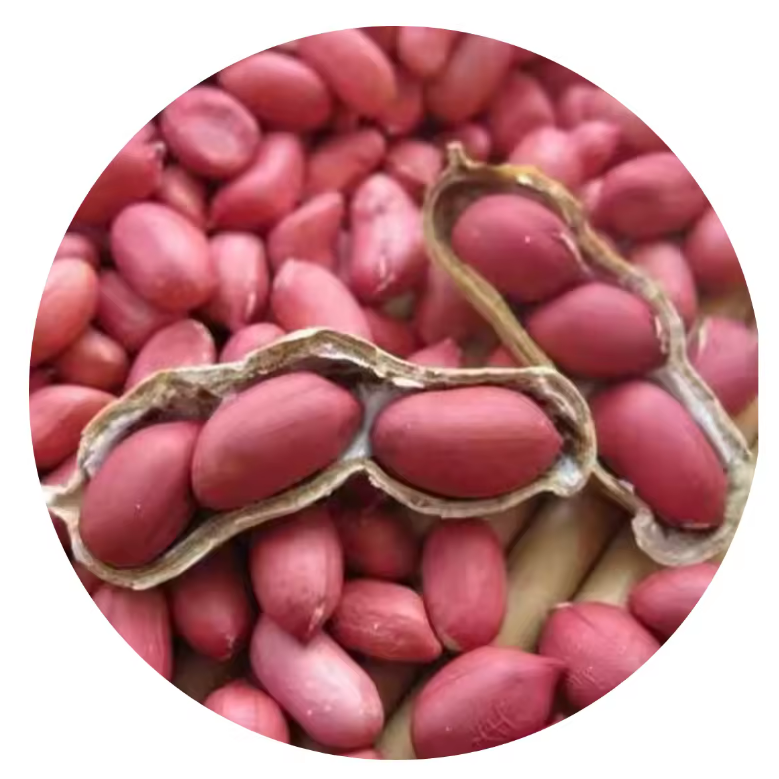
Red skin peanuts represent a distinct variety of groundnuts that have gained significant attention in the food processing and culinary industries due to their unique characteristics and versatile applications. Unlike their blanched counterparts, red skin peanuts retain their natural reddish-brown outer coating, which contributes to enhanced flavor profiles and nutritional benefits. The preservation of this natural skin layer not only affects the taste and texture but also influences the oil content and extraction processes, making red skin peanuts particularly valuable for various commercial and industrial applications.
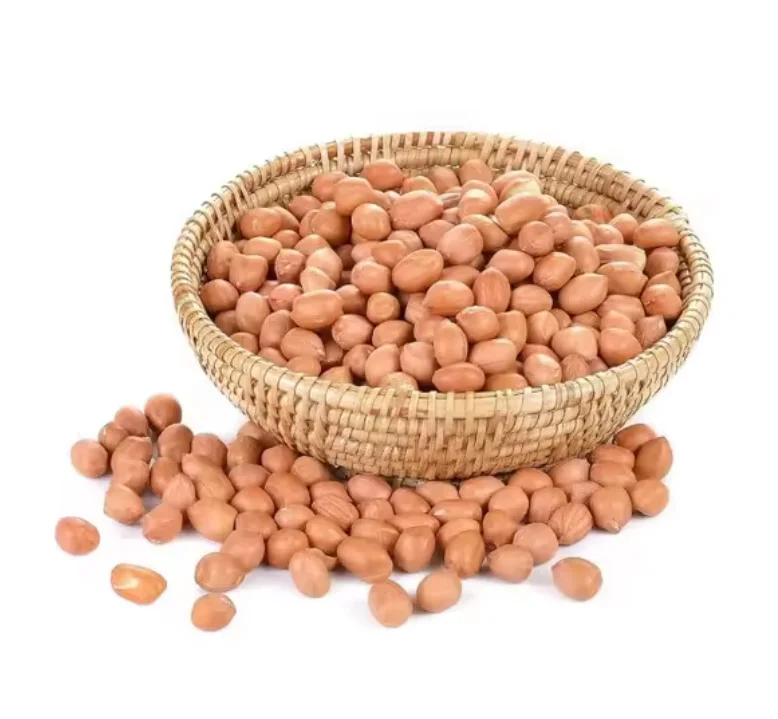
The distinctive appearance and properties of red skin peanuts stem from their minimal processing approach, where the natural tegument remains intact throughout harvesting and initial processing stages. This preservation method results in peanuts that offer superior flavor complexity, enhanced antioxidant content, and modified oil extraction characteristics compared to extensively processed alternatives. Understanding these differences is crucial for food manufacturers, oil producers, and culinary professionals who seek to optimize their products and applications.
Flavor Profile Characteristics of Red Skin Peanuts
Natural Taste Enhancement Through Skin Retention
The retained red skin on these peanuts contributes significantly to their distinctive flavor profile, creating a more robust and earthy taste compared to blanched varieties. Red skin peanuts develop deeper, nuttier notes during roasting processes due to the additional compounds present in the outer layer. These compounds undergo Maillard reactions at different rates, producing complex flavor molecules that enhance the overall sensory experience. The skin also contains tannins and other phenolic compounds that add subtle astringency and depth to the final product.
Food manufacturers often prefer red skin peanuts for applications where enhanced flavor is desired, such as premium nut butters, artisanal confections, and specialty snack products. The natural skin acts as a protective barrier during storage, helping preserve the internal kernel's flavor integrity while contributing its own unique taste characteristics. This dual-layer flavor system makes red skin peanuts particularly suitable for applications requiring complex taste profiles and extended shelf stability.
Impact on Roasting and Processing Applications
During roasting processes, red skin peanuts exhibit different thermal behavior compared to blanched alternatives, requiring adjusted time and temperature parameters to achieve optimal results. The skin layer influences heat transfer rates, creating more gradual internal temperature increases that can result in more even roasting and reduced risk of over-processing. This characteristic makes red skin peanuts ideal for slow-roasting applications where flavor development is prioritized over processing speed.
The processing versatility of red skin peanuts extends to various industrial applications, including direct consumption products, ingredient formulations, and oil extraction processes. Their enhanced flavor stability during thermal processing makes them particularly valuable for manufacturers seeking consistent taste profiles across different production batches. The skin's natural protective properties also contribute to reduced oxidation during storage and processing, maintaining flavor quality throughout extended supply chain operations.
Oil Content Analysis and Extraction Efficiency
Comparative Oil Yield Measurements
Red skin peanuts typically contain oil concentrations ranging from 45% to 52% by weight, with the skin contributing additional lipid compounds that can affect overall extraction yields. The presence of the natural tegument influences oil extraction efficiency through both mechanical and solvent-based methods, often requiring modified processing parameters to achieve optimal results. Studies have shown that red skin peanuts can yield higher total lipid content when processed using appropriate extraction techniques that account for the skin's contribution.
The oil composition in red skin peanuts includes not only the kernel's natural oils but also additional compounds from the skin layer, creating a more complex lipid profile. This enhanced composition can result in oils with different viscosity, flavor characteristics, and nutritional properties compared to oils extracted from blanched peanuts. The skin's contribution includes various fatty acids, phospholipids, and other bioactive compounds that can enhance the extracted oil's functional properties.
Industrial Extraction Considerations
Industrial oil extraction from red skin peanuts requires specialized equipment and processing protocols to maximize yield while maintaining oil quality. The presence of the skin layer can initially reduce extraction efficiency if processing parameters are not properly adjusted, but optimized methods often result in higher overall yields due to the skin's additional oil content. Mechanical pressing techniques may require increased pressure settings and modified screen configurations to accommodate the skin's fibrous structure.
Solvent extraction methods for red skin peanuts often benefit from extended contact times and modified solvent ratios to ensure complete oil recovery from both kernel and skin components. The resulting extracted meal retains higher protein content and enhanced nutritional value due to the skin's contribution of fiber, antioxidants, and minerals. This makes red skin peanut processing economically attractive for operations seeking to maximize both oil yield and meal value in their production processes.
Nutritional Advantages and Antioxidant Content
Enhanced Phenolic Compound Concentrations
The preserved red skin on these peanuts contains significantly higher concentrations of phenolic compounds, including resveratrol, flavonoids, and various antioxidants that contribute to enhanced nutritional profiles. These bioactive compounds are primarily concentrated in the skin layer and are typically removed during blanching processes, making red skin peanuts nutritionally superior in terms of antioxidant capacity. Research indicates that red skin peanuts can contain up to 30% more antioxidant activity compared to their blanched counterparts.
The antioxidant compounds present in red skin peanuts provide natural preservation benefits, extending shelf life and maintaining oil quality during storage. These compounds also offer potential health benefits for consumers, including cardiovascular support, anti-inflammatory properties, and cellular protection against oxidative stress. Food manufacturers increasingly recognize these nutritional advantages when formulating functional foods and health-oriented products.
Fiber and Micronutrient Contributions
Red skin peanuts provide enhanced dietary fiber content due to the retained outer layer, contributing approximately 2-3 additional grams of fiber per 100 grams compared to blanched varieties. This increased fiber content improves the nutritional density of products incorporating red skin peanuts and supports digestive health benefits for consumers. The skin also contains additional minerals, including magnesium, phosphorus, and trace elements that enhance the overall nutritional profile.
The preserved skin layer contributes B-vitamins, particularly niacin and folate, which are partially concentrated in the tegument and lost during blanching processes. These micronutrients support various metabolic functions and make red skin peanuts particularly valuable for nutritionally-focused applications. The combination of enhanced fiber, minerals, and vitamins positions red skin peanuts as premium ingredients for health-conscious food manufacturers and consumers.
Commercial Applications and Market Positioning
Food Industry Utilization Strategies
Commercial food manufacturers increasingly utilize red skin peanuts in premium product formulations where enhanced flavor, nutrition, and visual appeal are prioritized. These applications include artisanal nut butters, gourmet trail mixes, specialty confections, and ethnic cuisine preparations that benefit from the distinctive taste and texture characteristics. The natural appearance of red skin peanuts also provides visual appeal in transparent packaging and bulk display applications.
Restaurant and foodservice operations value red skin peanuts for their consistent flavor delivery and extended storage stability, making them ideal for high-volume preparation and diverse menu applications. The enhanced oil content and flavor complexity make red skin peanuts particularly suitable for Asian cuisine applications, where peanut oils and whole peanuts play crucial roles in traditional recipes and flavor profiles.
Industrial Processing and Export Markets
Export markets demonstrate strong demand for red skin peanuts due to their superior storage characteristics and enhanced nutritional profiles, particularly in regions where natural, minimally processed foods are preferred. The retained skin provides natural protection during international shipping, reducing product loss and maintaining quality throughout extended supply chains. This makes red skin peanuts particularly attractive for global trade operations.
Processing facilities specializing in red skin peanuts often achieve premium pricing due to the enhanced value proposition and specialized handling requirements. The combination of improved oil yields, enhanced nutritional content, and superior flavor characteristics creates market differentiation opportunities that justify higher production costs associated with careful skin preservation during processing and handling operations.
Storage and Quality Maintenance Considerations
Preservation Benefits of Natural Skin Protection
The natural red skin serves as an effective barrier against moisture infiltration, oxidation, and pest damage during storage, extending shelf life significantly compared to blanched alternatives. This protective function reduces storage losses and maintains oil quality throughout extended warehousing periods, making red skin peanuts economically advantageous for operations with longer inventory cycles. The skin's natural antimicrobial properties also contribute to reduced spoilage rates under proper storage conditions.
Temperature and humidity control requirements for red skin peanuts are often less stringent than for blanched varieties due to the skin's protective properties, reducing storage costs and energy requirements. This advantage becomes particularly significant in regions with challenging climatic conditions or limited storage infrastructure, where the natural protection provided by the red skin can prevent significant product losses.
Quality Assessment and Grading Protocols
Quality evaluation of red skin peanuts requires specialized assessment criteria that account for skin integrity, color uniformity, and absence of damage or defects. Visual inspection protocols focus on skin adherence, color consistency, and overall kernel integrity, with premium grades requiring intact, uniformly colored skins without excessive wrinkling or separation. These quality standards ensure consistent performance in both direct consumption and processing applications.
Moisture content management becomes particularly critical for red skin peanuts, as the retained skin can harbor additional moisture that may impact storage stability if not properly controlled. Optimal moisture levels typically range from 6% to 8% for long-term storage, with regular monitoring essential to prevent mold development or rancidity issues that could compromise product quality and safety standards.
FAQ
What makes red skin peanuts taste different from regular blanched peanuts
Red skin peanuts offer a more complex, earthy flavor profile due to the retained natural tegument, which contains tannins and phenolic compounds that contribute depth and subtle astringency. The skin undergoes Maillard reactions during roasting, creating additional flavor molecules that enhance the overall taste experience compared to blanched varieties that lack these compounds.
Do red skin peanuts contain more oil than blanched peanuts
Yes, red skin peanuts typically yield higher total oil content due to additional lipids present in the preserved skin layer. While the kernel oil content remains similar, the skin contributes extra oils and fatty compounds that can increase overall extraction yields by 2-4% when processed using appropriate methods that account for the skin's contribution to total lipid content.
Are red skin peanuts more nutritious than blanched alternatives
Red skin peanuts provide superior nutritional profiles due to retained antioxidants, fiber, and micronutrients concentrated in the skin layer. They contain up to 30% more antioxidant activity, additional dietary fiber, and enhanced concentrations of B-vitamins and minerals that are typically removed during blanching processes, making them nutritionally advantageous for health-conscious applications.
How should red skin peanuts be stored to maintain quality
Red skin peanuts should be stored in cool, dry conditions with humidity levels below 65% and temperatures between 40-60°F for optimal preservation. The natural skin provides protection against moisture and oxidation, but proper ventilation and moisture monitoring remain essential to prevent mold development and maintain oil quality throughout extended storage periods.