
 EN
EN
 DA
DA
 AR
AR
 NL
NL
 FI
FI
 FR
FR
 DE
DE
 EL
EL
 HI
HI
 IT
IT
 JA
JA
 KO
KO
 NO
NO
 PL
PL
 PT
PT
 RU
RU
 ES
ES
 SV
SV
 TL
TL
 ID
ID
 SR
SR
 UK
UK
 VI
VI
 HU
HU
 TH
TH
 TR
TR
 FA
FA
 AF
AF
 MS
MS
 GA
GA
 MK
MK
 HY
HY
 KA
KA
 BN
BN
 LA
LA
 MN
MN
 NE
NE
 MY
MY
 KK
KK
 UZ
UZ
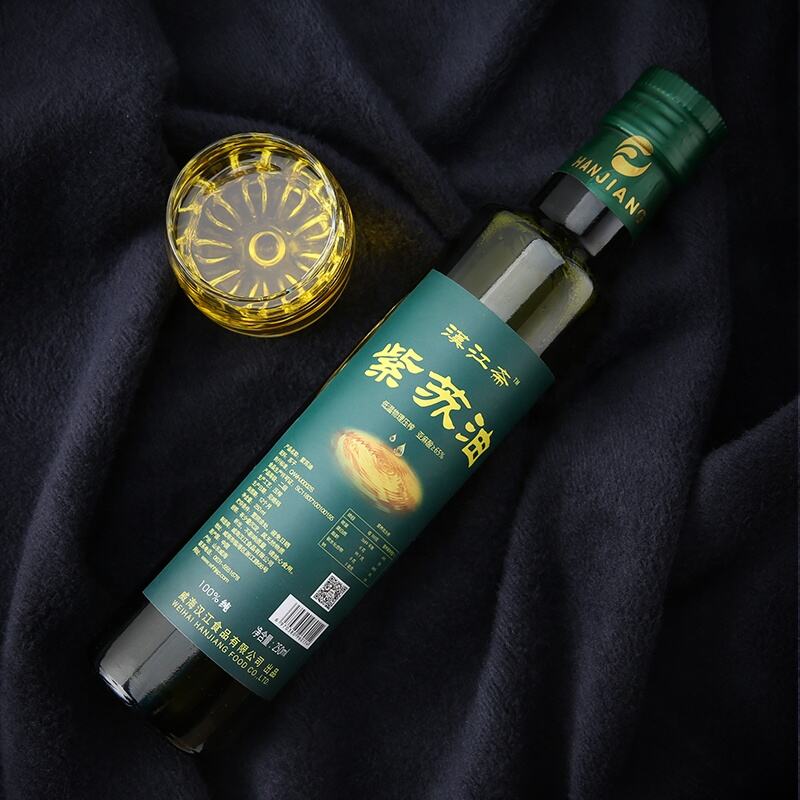
The journey of pure sesame oil from seed to bottle represents one of the most delicate processes in the culinary oil industry. Maintaining the distinctive nutty aroma and nutritional integrity that makes pure sesame oil so prized requires careful attention to every step of production. Modern processing techniques have evolved to preserve the essential compounds that give pure sesame oil its characteristic flavor profile while ensuring maximum retention of vitamins, minerals, and beneficial fatty acids.
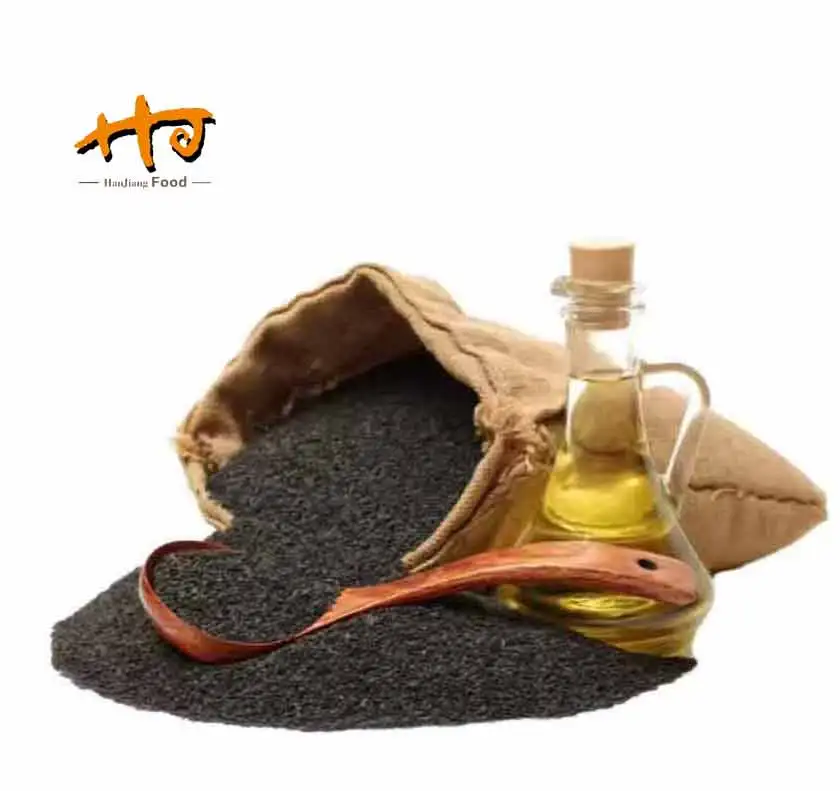
Cold Pressing Technology for Premium Pure Sesame Oil
Temperature Control During Extraction
The foundation of high-quality pure sesame oil lies in maintaining optimal temperatures throughout the extraction process. Cold pressing techniques keep temperatures below 120°F, preventing the degradation of heat-sensitive compounds that contribute to the oil's distinctive aroma. This controlled environment ensures that volatile aromatic compounds remain intact, preserving the characteristic nutty fragrance that consumers expect from premium pure sesame oil.
Temperature monitoring systems continuously track the extraction environment, automatically adjusting pressure and speed to maintain ideal conditions. The slower extraction rate associated with cold pressing may reduce yield, but it significantly enhances the final product's quality. Pure sesame oil produced through this method retains more of its natural antioxidants, including sesamin and sesamolin, which contribute both to flavor and nutritional value.
Mechanical Processing Without Chemical Solvents
Traditional mechanical pressing eliminates the need for chemical solvents that can compromise the purity and natural properties of pure sesame oil. Hydraulic presses apply controlled pressure to extract oil while maintaining the integrity of beneficial compounds. This solvent-free approach ensures that no residual chemicals remain in the final product, preserving both safety and nutritional quality.
The mechanical extraction process requires careful calibration to balance efficiency with quality. Excessive pressure can generate heat that damages delicate aromatic compounds, while insufficient pressure reduces yield. Modern equipment incorporates pressure sensors and automated controls to maintain the optimal balance, ensuring consistent quality in every batch of pure sesame oil produced.
Filtration and Purification Methods
Multi-Stage Filtration Systems
Advanced filtration techniques play a crucial role in producing crystal-clear pure sesame oil without compromising its nutritional content. Multi-stage filtration systems remove impurities and sediment while preserving essential fatty acids and fat-soluble vitamins. The first stage typically involves coarse filtration to remove larger particles, followed by progressively finer filters that eliminate microscopic contaminants.
Natural filtration materials such as cotton filters and diatomaceous earth provide effective purification without introducing foreign substances into the pure sesame oil. These materials allow beneficial compounds to pass through while capturing unwanted particles and moisture. The gentle nature of this filtration process maintains the oil's natural clarity and extends shelf life without requiring harsh chemical treatments.
Settling and Natural Clarification
Time-honored settling techniques allow pure sesame oil to naturally clarify through gravity separation. This patient process permits heavier particles and water droplets to settle at the bottom of storage tanks, leaving clear, pure oil at the top. Natural clarification typically requires several days but produces superior results compared to rapid processing methods that might compromise quality.
During the settling period, storage tanks are maintained at controlled temperatures to optimize separation without affecting the oil's chemical composition. This gentle approach preserves the delicate balance of compounds that give pure sesame oil its distinctive characteristics. The settled oil undergoes careful decanting to separate the clear product from any accumulated sediment.
Preservation of Aromatic Compounds
Volatile Compound Protection
The distinctive aroma of pure sesame oil depends on preserving volatile organic compounds that are easily lost during processing. Nitrogen blanketing systems create an inert atmosphere that prevents oxidation of these sensitive molecules during extraction and storage. This protective environment maintains the fresh, nutty fragrance that characterizes high-quality pure sesame oil products.
Vacuum processing techniques further protect aromatic compounds by reducing oxygen exposure during critical processing stages. Lower oxygen levels minimize oxidative reactions that can alter flavor profiles and reduce the intensity of the characteristic sesame aroma. These protective measures ensure that the final pure sesame oil maintains its full aromatic potential from production through consumption.
Minimal Processing Philosophy
The concept of minimal processing guides modern pure sesame oil production, emphasizing gentle handling techniques that preserve natural characteristics. This approach limits the number of processing steps and avoids aggressive treatments that might strip away beneficial compounds. Each production stage is carefully evaluated to ensure necessity and optimize retention of desirable properties.
Minimal processing extends to packaging and storage procedures, where pure sesame oil is handled with care to maintain quality from production facility to consumer. This philosophy recognizes that excessive manipulation can degrade the very qualities that make pure sesame oil valuable, leading to production methods that prioritize preservation over speed or convenience.
Nutritional Preservation Strategies
Antioxidant Retention Techniques
Natural antioxidants in pure sesame oil, including vitamin E and unique lignans like sesamin, require careful preservation during processing. Light protection systems shield the oil from UV radiation that can break down these beneficial compounds. Dark storage containers and processing equipment minimize light exposure throughout production, maintaining the natural antioxidant capacity that gives pure sesame oil its stability and health benefits.
The timing of processing steps is optimized to minimize the period during which pure sesame oil remains exposed to potentially damaging conditions. Rapid transitions between processing stages reduce cumulative exposure to oxygen, light, and elevated temperatures. This coordinated approach ensures maximum retention of natural antioxidants that contribute to both nutritional value and shelf stability.
Fatty Acid Profile Maintenance
Pure sesame oil contains a balanced profile of saturated and unsaturated fatty acids that must be preserved during processing. Gentle handling techniques prevent the formation of trans fats and maintain the natural ratio of omega-6 and omega-9 fatty acids. Temperature control plays a critical role in preventing the isomerization of fatty acids that could alter nutritional properties.
Regular testing throughout the production process monitors fatty acid composition to ensure consistency and quality. Advanced analytical techniques can detect minute changes in the fatty acid profile, allowing processors to adjust conditions as needed to maintain optimal nutritional characteristics in pure sesame oil products.
Quality Control and Testing Protocols
Sensory Evaluation Programs
Professional sensory evaluation plays a vital role in assessing the aroma and flavor retention in pure sesame oil. Trained tasters evaluate samples at multiple stages of production to ensure consistent quality standards. These evaluations assess not only the intensity of the characteristic sesame aroma but also the absence of off-flavors that might indicate processing problems.
Standardized testing protocols ensure objective evaluation of pure sesame oil quality attributes. Temperature-controlled tasting rooms and calibrated procedures eliminate variables that might influence sensory assessments. Documentation of sensory evaluation results provides valuable feedback for process optimization and quality improvement initiatives.
Chemical Analysis and Monitoring
Comprehensive chemical analysis monitors key quality indicators throughout pure sesame oil production. Gas chromatography identifies and quantifies aromatic compounds, ensuring that processing methods effectively preserve these important constituents. Nutritional testing verifies vitamin content, fatty acid profiles, and antioxidant levels to confirm that beneficial compounds remain intact.
Real-time monitoring systems track critical parameters during production, alerting operators to any deviations that might affect quality. This continuous oversight enables immediate corrective actions to maintain optimal conditions for pure sesame oil production. Regular calibration of testing equipment ensures accurate and reliable analytical results.
Storage and Packaging Considerations
Container Selection for Aroma Preservation
The choice of packaging materials significantly impacts the long-term preservation of aroma and nutrients in pure sesame oil. Dark glass bottles provide excellent protection from light while maintaining product integrity without chemical interaction. Stainless steel containers offer durability and complete light protection for bulk storage of pure sesame oil before final packaging.
Packaging headspace management minimizes oxygen contact that could lead to oxidation and aroma degradation. Nitrogen flushing systems displace air from containers before sealing, creating a protective atmosphere that extends shelf life. Proper headspace control ensures that pure sesame oil maintains its fresh aroma and nutritional quality throughout its intended storage period.
Environmental Control Systems
Temperature and humidity control in storage areas protects pure sesame oil from environmental factors that could compromise quality. Consistent cool temperatures slow oxidation reactions while preventing condensation that might introduce moisture. Automated climate control systems maintain optimal storage conditions regardless of external weather variations.
Inventory rotation systems ensure that pure sesame oil products are distributed based on production dates, maintaining freshness for consumers. Proper storage protocols include regular monitoring of environmental conditions and periodic quality testing of stored products to verify continued compliance with quality standards.
FAQ
What temperature range is best for processing pure sesame oil to preserve nutrients
The optimal temperature range for processing pure sesame oil to maximize nutrient preservation is between 80°F and 120°F during extraction. Temperatures above 120°F can begin to degrade heat-sensitive vitamins and alter the chemical structure of beneficial compounds. Cold-pressed pure sesame oil produced within this temperature range retains maximum nutritional value while maintaining the characteristic aroma and flavor profile.
How long does pure sesame oil retain its nutritional properties during storage
Properly processed and stored pure sesame oil can retain its nutritional properties for 18 to 24 months when kept in dark, cool conditions. The natural antioxidants present in pure sesame oil, particularly vitamin E and sesamin, help protect against oxidation and extend shelf life. Storage in dark glass containers at temperatures below 70°F significantly extends the period during which pure sesame oil maintains optimal nutritional quality.
Does filtration remove important nutrients from pure sesame oil
Proper filtration techniques do not remove important nutrients from pure sesame oil when performed correctly. Modern filtration systems are designed to remove only impurities, sediment, and moisture while allowing beneficial compounds to pass through. The key is using appropriate filter media and avoiding over-filtration that might strip away natural components that contribute to the nutritional value of pure sesame oil.
What role do natural antioxidants play in pure sesame oil processing
Natural antioxidants in pure sesame oil, including sesamin, sesamolin, and vitamin E, act as protective compounds during processing by preventing oxidation and maintaining oil stability. These antioxidants help preserve the characteristic aroma and extend shelf life without requiring artificial preservatives. Processing methods that retain these natural antioxidants produce higher quality pure sesame oil with better resistance to rancidity and longer storage life.