 EN
EN
 DA
DA
 AR
AR
 NL
NL
 FI
FI
 FR
FR
 DE
DE
 EL
EL
 HI
HI
 IT
IT
 JA
JA
 KO
KO
 NO
NO
 PL
PL
 PT
PT
 RU
RU
 ES
ES
 SV
SV
 TL
TL
 ID
ID
 SR
SR
 UK
UK
 VI
VI
 HU
HU
 TH
TH
 TR
TR
 FA
FA
 AF
AF
 MS
MS
 GA
GA
 MK
MK
 HY
HY
 KA
KA
 BN
BN
 LA
LA
 MN
MN
 NE
NE
 MY
MY
 KK
KK
 UZ
UZ
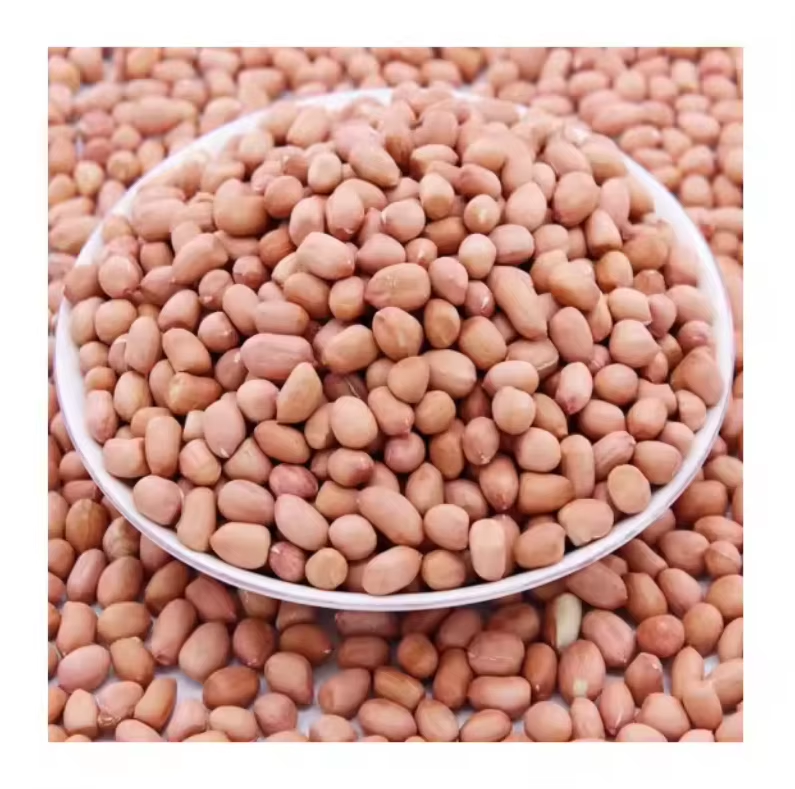
Food safety and traceability have become paramount concerns for businesses and consumers alike when sourcing agricultural products, particularly peanut kernels. The global peanut industry processes millions of tons annually, yet ensuring consistent quality and safety standards remains a complex challenge that requires comprehensive evaluation protocols. Modern food procurement demands sophisticated assessment methods that go beyond basic visual inspection to encompass molecular-level contamination detection and supply chain transparency. Understanding how to properly evaluate these critical factors can mean the difference between securing premium quality products and encountering costly safety incidents that damage brand reputation and consumer trust.
Understanding Peanut Kernel Quality Standards
International Grading Classifications
Peanut kernels are classified according to rigorous international standards that define size, color uniformity, and defect tolerance levels. The USDA standards recognize various grades including Fancy, Extra Large Virginia, Medium Virginia, and Spanish types, each with specific kernel size requirements and maximum allowable damage percentages. Premium grade peanut kernels must exhibit consistent coloration, minimal skin discoloration, and absence of foreign material contamination. These classifications serve as baseline indicators for quality assessment, though they represent only the initial layer of comprehensive evaluation protocols.
European and Asian markets often apply additional specifications beyond USDA standards, incorporating moisture content parameters, oil content ranges, and protein levels that affect processing characteristics. Understanding these varied requirements enables buyers to select peanut kernels that align with their specific application needs, whether for direct consumption, oil extraction, or value-added processing. The grading process involves statistical sampling methods that ensure representative quality assessment across large shipment volumes.
Physical and Chemical Assessment Parameters
Comprehensive quality evaluation extends beyond visual inspection to include detailed chemical analysis of key nutritional and safety parameters. Moisture content testing remains critical, as excessive moisture levels can promote fungal growth and aflatoxin development in stored peanut kernels. Laboratory analysis should verify protein content, oil composition, and absence of chemical residues from agricultural inputs used during cultivation and post-harvest processing.
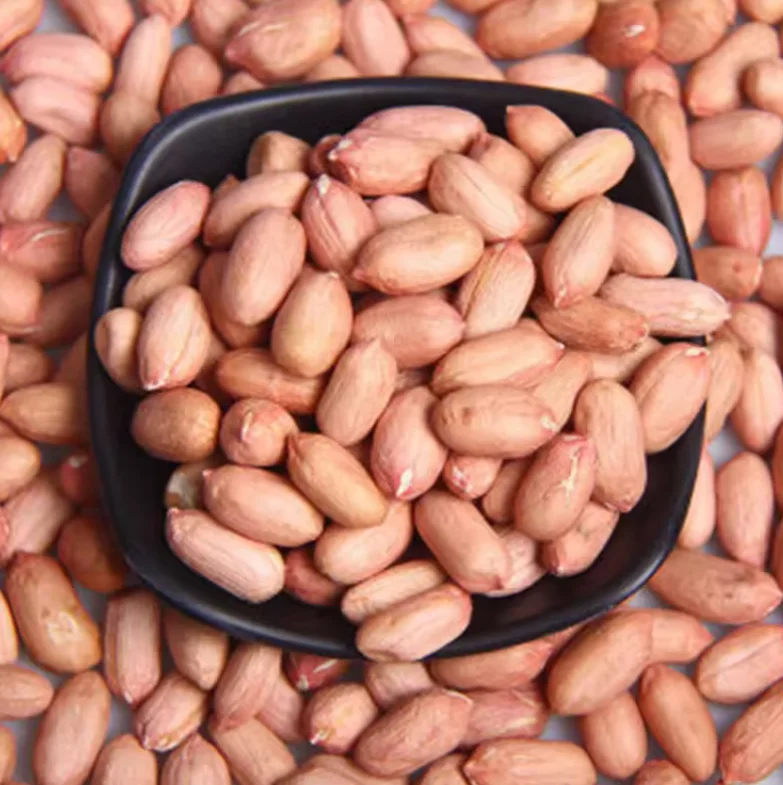
Physical defect assessment involves systematic examination for insect damage, mechanical breakage, discoloration patterns, and foreign material presence. Advanced optical sorting technologies now enable detection of subtle quality variations that manual inspection might miss, including internal defects and early-stage contamination signs. These technological tools complement traditional assessment methods by providing objective, quantifiable quality metrics that support informed purchasing decisions.
Implementing Robust Traceability Systems
Supply Chain Documentation Requirements
Effective traceability begins with comprehensive documentation that tracks peanut kernels from farm origin through processing, storage, and distribution stages. Modern traceability systems require detailed records including field location coordinates, cultivation practices, harvest dates, and post-harvest handling procedures. Each batch must maintain unique identification codes that link to specific grower information, processing facility records, and transportation documentation throughout the supply chain journey.
Digital tracking platforms have revolutionized traceability capabilities by enabling real-time data collection and blockchain-verified record keeping. These systems provide immutable transaction records that enhance transparency and facilitate rapid response during food safety incidents. Suppliers who invest in advanced traceability infrastructure demonstrate commitment to quality assurance and risk management that protects both their reputation and customer interests.
Verification and Audit Protocols
Regular third-party audits ensure traceability system integrity and validate documented practices against actual operations. Audit protocols should examine record accuracy, system completeness, and staff training effectiveness to identify potential gaps in traceability coverage. Effective verification processes include surprise inspections, document review procedures, and interview protocols that assess organizational commitment to maintaining comprehensive tracking capabilities.
Traceability testing exercises, such as mock recalls, provide practical validation of system effectiveness under simulated emergency conditions. These exercises reveal operational weaknesses and communication gaps that could compromise response effectiveness during actual food safety incidents. Regular testing ensures that peanut kernels can be rapidly traced and isolated when safety concerns arise, minimizing potential market impact and consumer exposure.
Contamination Risk Assessment and Prevention
Aflatoxin Testing and Monitoring
Aflatoxin contamination represents the most significant food safety risk associated with peanut kernels, requiring comprehensive testing protocols that detect contamination at minimal threshold levels. Advanced analytical methods including HPLC, ELISA, and fluorescence detection enable precise quantification of aflatoxin B1, B2, G1, and G2 compounds that pose serious health risks. Testing frequency should align with regulatory requirements while considering seasonal variations, storage conditions, and processing methods that influence contamination risk levels.
Preventive monitoring programs examine environmental conditions throughout the supply chain to identify factors that promote aflatoxin development. Temperature control, humidity management, and proper ventilation systems significantly reduce contamination risk during storage and transportation phases. Suppliers who implement comprehensive aflatoxin prevention programs demonstrate proactive commitment to food safety that extends beyond basic compliance requirements.
Microbiological Safety Protocols
Microbiological testing encompasses pathogenic bacteria, yeast, and mold populations that could compromise product safety or shelf life characteristics. Standard testing panels include Salmonella detection, E. coli enumeration, and total viable count assessment using validated analytical methods. These tests provide essential baseline data for evaluating processing effectiveness and identifying potential contamination sources within the production environment.
Environmental monitoring programs examine processing facilities, storage areas, and transportation equipment for microbiological contamination risks. Regular sampling of surfaces, air quality, and water sources helps identify potential cross-contamination pathways that could affect peanut kernels during handling operations. Comprehensive microbiological programs integrate testing results with corrective action protocols that address identified risks before they impact product quality.
Supplier Evaluation and Certification Standards
Facility Assessment Criteria
Supplier facility evaluation requires systematic assessment of infrastructure, equipment maintenance, and operational procedures that affect product quality and safety. Key evaluation areas include building construction materials, pest control programs, equipment sanitation procedures, and employee hygiene protocols. Modern processing facilities should demonstrate investment in automated systems that minimize human contact and reduce contamination risks during peanut kernels handling operations.
Quality management system certification through recognized standards such as SQF, BRC, or FSSC 22000 provides objective validation of supplier capabilities and commitment to continuous improvement. These certifications require regular third-party audits that verify compliance with international food safety standards and best practice implementation. Certified suppliers typically demonstrate superior performance in quality consistency, traceability maintenance, and risk management compared to non-certified alternatives.
Performance Monitoring and Continuous Improvement
Ongoing supplier performance evaluation involves regular review of quality metrics, delivery reliability, and communication effectiveness throughout the business relationship. Key performance indicators should include defect rates, laboratory test results, compliance with specifications, and responsiveness to quality concerns or corrective action requests. Data-driven performance monitoring enables objective assessment of supplier capabilities and identifies opportunities for collaborative improvement initiatives.
Continuous improvement partnerships focus on shared goals for enhancing quality, safety, and efficiency throughout the supply chain. Regular business reviews provide forums for discussing performance trends, addressing challenges, and developing improvement strategies that benefit both parties. Suppliers who demonstrate commitment to continuous improvement often provide superior long-term value through enhanced quality consistency and reduced risk exposure for peanut kernels procurement programs.
Technology Integration for Enhanced Safety Assurance
Advanced Testing and Detection Methods
Cutting-edge analytical technologies have transformed food safety testing capabilities, enabling detection of contaminants at previously unachievable sensitivity levels. Rapid testing methods using biosensors, PCR amplification, and immunoassay techniques provide results within hours rather than days required by traditional laboratory methods. These technologies enable real-time decision making that prevents contaminated peanut kernels from entering the supply chain, protecting both consumer safety and brand reputation.
Spectroscopic analysis methods including near-infrared and Raman spectroscopy offer non-destructive testing capabilities that assess internal quality characteristics without damaging product integrity. These methods can detect moisture content variations, oil quality parameters, and early-stage contamination signs that indicate potential quality issues. Integration of multiple testing technologies provides comprehensive quality assurance that exceeds traditional inspection capabilities.
Digital Documentation and Reporting Systems
Modern documentation systems integrate laboratory results, traceability data, and quality assessments into comprehensive digital platforms that facilitate data analysis and regulatory reporting. Cloud-based systems enable real-time access to quality information from multiple locations while maintaining data security and backup capabilities. These systems support trend analysis that identifies emerging quality issues and enables proactive intervention before problems affect large product volumes.
Automated reporting capabilities generate compliance documentation, quality summaries, and performance metrics that support regulatory requirements and internal quality management needs. Integration with supplier systems enables seamless data exchange that enhances traceability capabilities and reduces administrative burden associated with quality documentation. Advanced systems include predictive analytics that identify potential quality risks based on historical patterns and environmental factors affecting peanut kernels production and processing.
Regulatory Compliance and Market Requirements
International Food Safety Standards
Global peanut kernels markets operate under diverse regulatory frameworks that establish minimum safety and quality requirements for international trade. Understanding these requirements ensures compliance across multiple market destinations while avoiding costly rejections or recalls. Key regulatory areas include maximum residue limits for pesticides, heavy metal contamination thresholds, and microbiological safety criteria that vary by importing country.
Codex Alimentarius standards provide international reference points for food safety requirements, though individual countries may impose more stringent specifications. European Union regulations emphasize comprehensive traceability documentation and precautionary principle application, while FDA requirements focus on preventive controls and hazard analysis protocols. Successful suppliers maintain compliance with the most stringent requirements to ensure market access flexibility.
Documentation and Record Keeping Requirements
Regulatory compliance demands meticulous record keeping that documents all aspects of production, processing, and distribution activities affecting product safety and quality. Required documentation includes batch production records, laboratory test results, supplier verification activities, and corrective action implementations. Records must be maintained for specified periods and made available for regulatory inspection upon request.
Electronic record keeping systems facilitate compliance by ensuring data integrity, accessibility, and backup security. These systems should include audit trails that track all record modifications and user access activities. Proper documentation practices protect businesses from liability while demonstrating due diligence in food safety management for peanut kernels and related products.
FAQ
What are the most critical quality indicators to assess when purchasing peanut kernels?
The most critical quality indicators include aflatoxin levels, moisture content, physical defect rates, and microbiological contamination status. Aflatoxin testing is paramount since these naturally occurring toxins pose serious health risks and are strictly regulated worldwide. Moisture content should be maintained below 7% to prevent mold growth and maintain product stability during storage. Physical examination should reveal minimal broken kernels, uniform color, and absence of foreign materials, while microbiological testing ensures absence of pathogenic bacteria and acceptable yeast and mold counts.
How can buyers verify the effectiveness of a supplier's traceability system?
Buyers can verify traceability effectiveness through mock recall exercises that test the supplier's ability to track specific batches from farm origin to final destination within established timeframes. Request documentation samples that demonstrate complete supply chain visibility including farm records, processing batch codes, and distribution logs. Third-party audit reports from recognized certification bodies provide independent validation of traceability system capabilities. Additionally, blockchain or digital platform integration offers real-time verification of record accuracy and completeness throughout the supply chain.
What testing frequency is recommended for aflatoxin monitoring in peanut kernels?
Aflatoxin testing frequency should follow a risk-based approach considering factors such as origin country, season, storage conditions, and regulatory requirements. High-risk regions or seasons may require testing of every incoming lot, while lower-risk situations might allow statistical sampling approaches. At minimum, test each supplier's product monthly and increase frequency during high-risk periods such as drought conditions or extended storage. Continuous monitoring programs using rapid testing methods enable more frequent screening with confirmatory laboratory analysis for positive results.
How do international certification standards compare for peanut kernel suppliers?
Major international certification standards include SQF, BRC, FSSC 22000, and IFS, each with specific strengths for different market requirements. SQF emphasizes practical food safety implementation and is widely recognized in North American markets, while BRC focuses on retail supply chain requirements popular in European markets. FSSC 22000 provides comprehensive ISO-based framework suitable for global operations, and IFS offers detailed technical requirements favored by European retailers. All standards require third-party audits and continuous improvement, though specific requirements and audit frequencies vary between programs.
Table of Contents
- Understanding Peanut Kernel Quality Standards
- Implementing Robust Traceability Systems
- Contamination Risk Assessment and Prevention
- Supplier Evaluation and Certification Standards
- Technology Integration for Enhanced Safety Assurance
- Regulatory Compliance and Market Requirements
-
FAQ
- What are the most critical quality indicators to assess when purchasing peanut kernels?
- How can buyers verify the effectiveness of a supplier's traceability system?
- What testing frequency is recommended for aflatoxin monitoring in peanut kernels?
- How do international certification standards compare for peanut kernel suppliers?