 EN
EN
 DA
DA
 AR
AR
 NL
NL
 FI
FI
 FR
FR
 DE
DE
 EL
EL
 HI
HI
 IT
IT
 JA
JA
 KO
KO
 NO
NO
 PL
PL
 PT
PT
 RU
RU
 ES
ES
 SV
SV
 TL
TL
 ID
ID
 SR
SR
 UK
UK
 VI
VI
 HU
HU
 TH
TH
 TR
TR
 FA
FA
 AF
AF
 MS
MS
 GA
GA
 MK
MK
 HY
HY
 KA
KA
 BN
BN
 LA
LA
 MN
MN
 NE
NE
 MY
MY
 KK
KK
 UZ
UZ
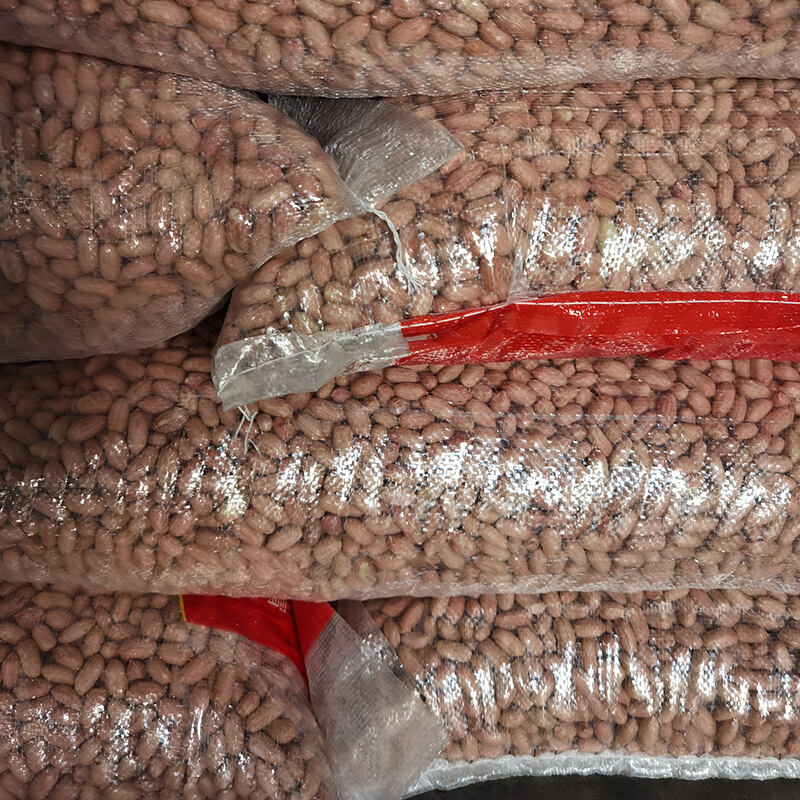
Bulk procurement of peanut kernels presents unique challenges for industrial buyers seeking to optimize their supply chain operations. Effective cost management and waste reduction strategies require comprehensive understanding of market dynamics, quality specifications, and supplier relationships. Peanut kernel buyers must navigate fluctuating commodity prices while maintaining consistent product quality standards that meet their manufacturing requirements.
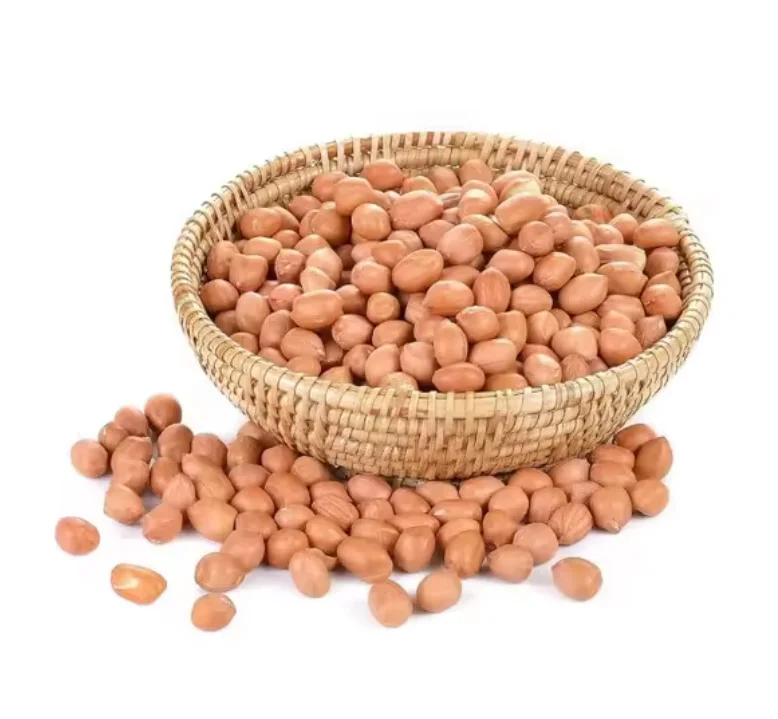
The global peanut kernel market experiences significant price volatility due to weather patterns, crop yields, and international trade policies. Professional buyers who understand these market forces can implement strategic purchasing decisions that minimize costs while ensuring adequate inventory levels. Smart procurement practices involve analyzing historical pricing trends, seasonal variations, and regional supply patterns to identify optimal purchasing windows.
Quality control measures play a crucial role in waste reduction for industrial peanut kernel applications. Establishing clear specifications for moisture content, size distribution, and contamination levels helps prevent costly rejections and processing delays. Working closely with certified suppliers ensures consistent product quality that meets strict food safety standards and regulatory requirements.
Market Analysis and Pricing Strategies for Bulk Peanut Purchases
Understanding Global Peanut Market Dynamics
Global peanut production centers in China, India, United States, and Argentina significantly influence international pricing structures. Peanut kernel buyers benefit from monitoring production forecasts and export policies from these major producing regions. Weather events such as droughts or excessive rainfall can dramatically impact crop yields and subsequent market pricing throughout the growing season.
Currency exchange rates between major producing and consuming countries create additional pricing variables that experienced buyers incorporate into their procurement strategies. Forward contracts and hedging mechanisms help stabilize purchasing costs when dealing with international suppliers over extended timeframes.
Seasonal Purchasing Optimization
Harvest seasons in different regions create predictable supply patterns that inform strategic purchasing decisions. Peanut kernel buyers often secure better pricing during peak harvest periods when supply volumes reach maximum levels. Understanding regional harvest calendars enables buyers to plan inventory cycles that align with natural supply abundance.
Post-harvest storage costs and quality deterioration factors influence optimal purchasing timing for bulk quantities. Early season purchases may offer price advantages but require adequate storage facilities and preservation techniques to maintain product quality throughout extended storage periods.
Quality Specifications and Supplier Selection Criteria
Establishing Comprehensive Quality Standards
Technical specifications for peanut kernels must address multiple quality parameters including size distribution, moisture content, aflatoxin levels, and foreign material contamination. Professional peanut kernel buyers work with suppliers to develop detailed quality agreements that specify acceptable tolerance ranges for each parameter.
Color uniformity and blanching characteristics become critical factors for buyers serving food manufacturing applications. Consistent visual appearance ensures end product quality and reduces processing waste during manufacturing operations. Regular quality audits and sample testing protocols help maintain supplier compliance with established standards.
Supplier Certification and Compliance Requirements
Food safety certifications such as HACCP, BRC, and SQF provide essential assurance for peanut kernel buyers operating in regulated markets. Supplier facilities must demonstrate robust quality management systems that prevent contamination and ensure traceability throughout the supply chain.
Documentation requirements for international shipments include certificates of origin, phytosanitary certificates, and analytical test reports. Experienced buyers establish clear communication protocols with suppliers to ensure all required documentation accompanies each shipment and meets destination country import requirements.
Storage and Inventory Management Optimization
Warehouse Design and Environmental Controls
Proper storage conditions significantly impact peanut kernel quality retention and minimize waste during extended storage periods. Temperature control systems maintaining consistent conditions between 50-70 degrees Fahrenheit prevent oil rancidity and preserve flavor characteristics. Humidity control below 65 percent relative humidity prevents mold growth and maintains product integrity.
Adequate ventilation systems ensure consistent air circulation throughout storage areas while preventing condensation formation that can lead to quality deterioration. Peanut kernel buyers investing in appropriate storage infrastructure realize substantial long-term cost savings through reduced product losses and extended shelf life capabilities.
Inventory Rotation and Loss Prevention
First-in-first-out inventory rotation systems prevent quality degradation associated with extended storage periods. Proper lot identification and tracking systems enable efficient inventory management while maintaining product traceability for quality control purposes.
Regular monitoring protocols detect potential quality issues before they impact large inventory volumes. Visual inspections, moisture testing, and sensory evaluations help identify deterioration trends that require immediate attention to prevent widespread losses.
Transportation and Logistics Cost Management
Shipping Mode Selection and Route Optimization
Container shipping provides cost-effective transportation for bulk peanut kernel shipments while offering protection from environmental contamination during transit. Peanut kernel buyers negotiate favorable freight rates through volume commitments and seasonal booking strategies that align with supplier production schedules.
Intermodal transportation combining ocean freight with domestic rail or truck delivery often provides optimal cost structures for inland destinations. Route optimization software helps buyers identify the most efficient transportation pathways while considering transit times and handling requirements.
Packaging and Handling Specifications
Appropriate packaging materials protect peanut kernels during transportation while minimizing handling costs and product damage. Multi-wall paper bags with moisture barriers provide adequate protection for most shipping conditions while remaining cost-effective for bulk quantities.
Proper palletization and container loading techniques maximize shipping efficiency while preventing product damage during transit. Professional buyers specify loading procedures that ensure even weight distribution and prevent settling that can cause package damage.
Risk Management and Contract Negotiation Strategies
Price Risk Mitigation Techniques
Forward purchasing contracts allow peanut kernel buyers to lock in pricing for future deliveries while managing budget predictability. Price escalation clauses protect against significant market increases while providing suppliers with cost recovery mechanisms for extended contract periods.
Diversified supplier networks reduce dependency risks associated with single-source procurement strategies. Multiple supplier relationships provide alternative sourcing options during supply disruptions while maintaining competitive pricing through supplier competition.
Quality Assurance and Penalty Provisions
Comprehensive quality agreements include specific penalty provisions for substandard deliveries that fail to meet established specifications. Clear quality standards and testing procedures provide objective criteria for acceptance or rejection decisions.
Retention payment structures incentivize suppliers to maintain consistent quality standards while providing buyers with financial protection against quality failures. Performance-based pricing rewards suppliers who consistently exceed quality expectations.
Technology Integration for Enhanced Procurement Efficiency
Digital Procurement Platforms and Analytics
Modern procurement platforms enable peanut kernel buyers to streamline vendor management, track price trends, and automate routine purchasing processes. Real-time market data integration provides buyers with current pricing information that supports informed purchasing decisions.
Advanced analytics tools identify cost optimization opportunities through spend analysis and supplier performance tracking. Predictive modeling capabilities help buyers anticipate market changes and adjust procurement strategies accordingly.
Supply Chain Visibility and Traceability Systems
Blockchain technology enhances supply chain transparency by providing immutable records of product origin, handling procedures, and quality test results. Enhanced traceability capabilities support rapid response during quality issues while meeting increasing regulatory requirements.
Internet of Things sensors monitor storage conditions and inventory levels in real-time, enabling proactive management of product quality and inventory optimization. Automated alert systems notify buyers of potential issues before they impact product quality or availability.
FAQ
What factors most significantly impact peanut kernel pricing in bulk procurement
Crop yield variations, international trade policies, currency exchange rates, and seasonal supply patterns represent the primary factors influencing bulk peanut kernel pricing. Weather conditions in major producing regions create the most dramatic price fluctuations, while trade agreements and tariff structures affect long-term pricing trends. Peanut kernel buyers who monitor these factors can identify optimal purchasing opportunities and negotiate better contract terms with suppliers.
How can buyers ensure consistent quality standards across multiple suppliers
Establishing detailed written specifications, conducting regular supplier audits, and implementing standardized testing procedures ensure quality consistency across multiple supplier relationships. Buyers should require suppliers to maintain certifications from recognized food safety organizations and provide detailed analytical reports with each shipment. Clear communication of quality expectations and consequences for non-compliance helps maintain supplier accountability and product consistency.
What storage conditions optimize peanut kernel shelf life and minimize waste
Optimal storage conditions include temperatures between 50-70 degrees Fahrenheit, relative humidity below 65 percent, and adequate ventilation to prevent condensation formation. Proper inventory rotation using first-in-first-out principles prevents quality deterioration from extended storage periods. Regular monitoring of storage conditions and periodic quality testing help identify potential issues before they impact large inventory volumes.
How do successful buyers manage transportation costs for bulk peanut kernel shipments
Effective transportation cost management involves negotiating volume-based freight rates, optimizing shipping routes through intermodal transportation options, and coordinating shipment timing with supplier production schedules. Container shipping provides cost-effective protection for bulk quantities while proper packaging and loading procedures minimize product damage during transit. Buyers often achieve significant savings through annual freight contracts and collaborative shipping arrangements with other buyers.
Table of Contents
- Market Analysis and Pricing Strategies for Bulk Peanut Purchases
- Quality Specifications and Supplier Selection Criteria
- Storage and Inventory Management Optimization
- Transportation and Logistics Cost Management
- Risk Management and Contract Negotiation Strategies
- Technology Integration for Enhanced Procurement Efficiency
-
FAQ
- What factors most significantly impact peanut kernel pricing in bulk procurement
- How can buyers ensure consistent quality standards across multiple suppliers
- What storage conditions optimize peanut kernel shelf life and minimize waste
- How do successful buyers manage transportation costs for bulk peanut kernel shipments