 EN
EN
 DA
DA
 AR
AR
 NL
NL
 FI
FI
 FR
FR
 DE
DE
 EL
EL
 HI
HI
 IT
IT
 JA
JA
 KO
KO
 NO
NO
 PL
PL
 PT
PT
 RU
RU
 ES
ES
 SV
SV
 TL
TL
 ID
ID
 SR
SR
 UK
UK
 VI
VI
 HU
HU
 TH
TH
 TR
TR
 FA
FA
 AF
AF
 MS
MS
 GA
GA
 MK
MK
 HY
HY
 KA
KA
 BN
BN
 LA
LA
 MN
MN
 NE
NE
 MY
MY
 KK
KK
 UZ
UZ
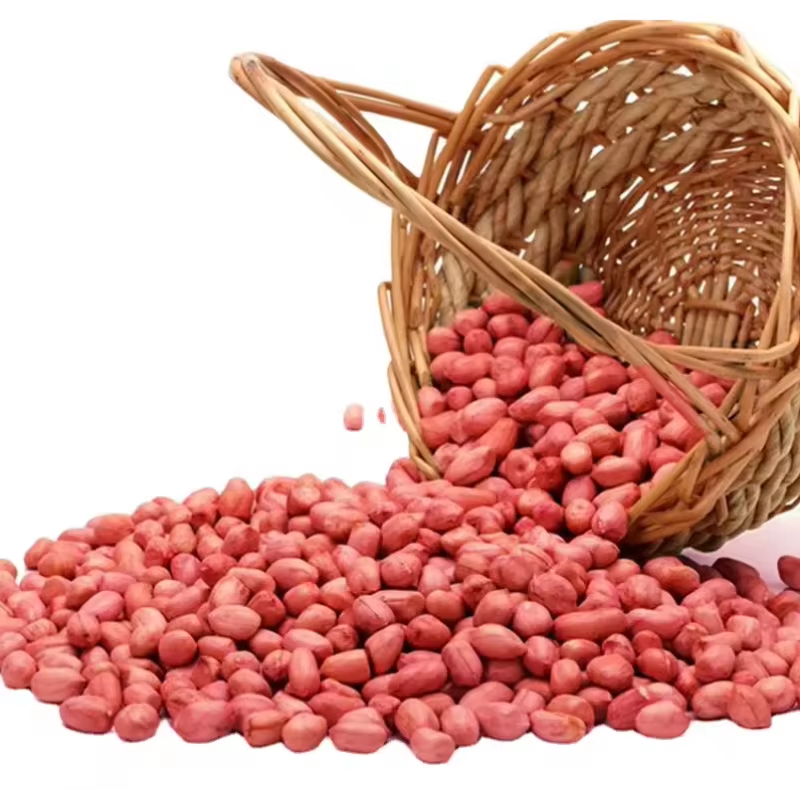
Matching peanut kernels to specific industrial applications requires a comprehensive understanding of kernel specifications, processing requirements, and end-use characteristics. Industrial buyers must navigate complex variables including kernel size, moisture content, oil percentage, and color grades to ensure optimal performance in their manufacturing processes. The selection of appropriate peanut kernels directly impacts product quality, operational efficiency, and cost-effectiveness across diverse industries ranging from food processing to cosmetics manufacturing.
Understanding Peanut Kernel Classification Systems
International Grading Standards for Industrial Use
Industrial peanut kernels are classified according to internationally recognized grading systems that define size, color, and quality parameters. The most widely adopted standards include USDA grading for North American markets, EU regulations for European applications, and specialized Asian standards for regional processing needs. These classification systems ensure consistency in kernel specifications, enabling manufacturers to select peanut kernels that meet precise industrial requirements. Understanding these standards is crucial for procurement professionals who must balance quality requirements with cost considerations.
Size classification typically ranges from jumbo kernels exceeding 9mm to smaller split varieties under 6mm, each serving distinct industrial purposes. Color grades encompass light, medium, and dark classifications, with specific applications demanding particular color profiles for aesthetic or functional reasons. Quality parameters include defect tolerances, foreign matter limits, and moisture specifications that directly affect processing efficiency and final product characteristics.
Kernel Size Distribution and Industrial Matching
The relationship between kernel size and industrial application determines processing efficiency, equipment compatibility, and final product quality. Large peanut kernels are preferred for direct consumption products, confectionery applications, and premium snack manufacturing where visual appeal and uniform appearance are paramount. Medium-sized kernels serve versatile roles in baking, cooking oil production, and general food processing applications. Smaller kernels and splits find optimal use in paste production, flour manufacturing, and ingredient applications where size uniformity is less critical.
Processing equipment design often dictates specific size requirements, with machinery optimized for particular kernel dimensions to maximize throughput and minimize waste. Industrial buyers must carefully match kernel size specifications to their equipment capabilities, considering factors such as conveyor belt spacing, grinding chamber dimensions, and packaging machinery requirements. This alignment between peanut kernels specifications and processing infrastructure ensures optimal operational efficiency and product quality consistency.
Oil Content Specifications for Different Industries
High-Oil Content Applications
Industries requiring maximum oil extraction prioritize peanut kernels with elevated oil content, typically ranging from 48% to 52% by weight. Oil processing facilities, biodiesel production, and industrial lubricant manufacturing benefit from high-oil varieties that maximize yield efficiency and reduce processing costs. These applications often utilize specialized kernel varieties specifically cultivated for oil content rather than eating quality, allowing for more economical sourcing while meeting industrial requirements.
The selection of high-oil peanut kernels requires careful attention to storage conditions, as higher oil content increases susceptibility to rancidity and oxidation. Temperature-controlled storage, nitrogen atmospheres, and rapid processing timelines become critical factors in maintaining kernel quality and maximizing oil recovery rates. Industrial buyers must establish supply chain protocols that preserve oil integrity from procurement through processing.
Controlled Oil Content for Food Processing
Food manufacturing applications often require precise oil content control to achieve consistent product characteristics and nutritional profiles. Baking applications benefit from moderate oil content peanut kernels that contribute to texture and flavor without overwhelming other ingredients. Snack food production requires balanced oil levels that support seasoning adhesion while maintaining crisp texture and extended shelf life.
Protein extraction and health food manufacturing may specifically seek lower-oil peanut kernels to maximize protein concentration and minimize fat content in final products. These specialized applications require detailed compositional analysis and supplier certification to ensure kernel specifications meet strict nutritional requirements. Quality assurance protocols must verify oil content consistency across delivery batches to maintain product standardization.
Color and Appearance Requirements
Visual Standards for Consumer-Facing Products
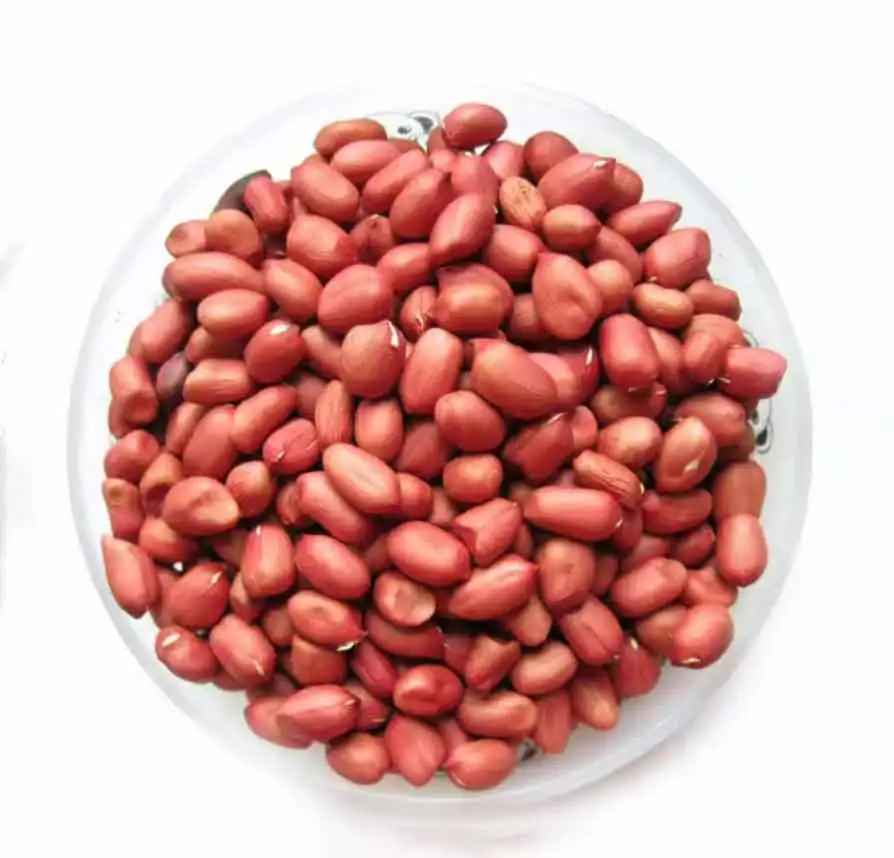
Consumer products requiring visual appeal demand peanut kernels meeting stringent color and appearance standards. Premium confectionery applications specify light-colored kernels with minimal skin retention and uniform appearance to support product aesthetics and brand image. Chocolate manufacturing and gourmet snack production rely on consistent kernel color to maintain visual quality standards and consumer acceptance.
Color uniformity extends beyond aesthetic considerations to functional requirements in certain applications. Light-colored peanut kernels reduce the need for bleaching agents in flour production and minimize color interference in white chocolate or light-colored confectionery products. Industrial buyers must establish clear color specifications and implement incoming inspection protocols to verify compliance with appearance standards.
Functional Applications with Relaxed Appearance Standards
Industrial applications focused on functional properties rather than appearance can utilize peanut kernels with more flexible color specifications, often resulting in significant cost savings. Oil extraction, paste production, and ingredient manufacturing can accommodate darker kernels, mixed color grades, and kernels with minor appearance defects without compromising functional performance. This flexibility allows buyers to access more economical kernel grades while meeting processing requirements.
Industrial flour production, animal feed applications, and protein extraction processes can successfully utilize off-grade peanut kernels that fail to meet premium appearance standards but maintain nutritional and functional integrity. These applications create valuable markets for kernel grades that might otherwise represent waste streams, supporting overall supply chain efficiency and sustainability objectives.
Moisture Content and Storage Considerations
Optimal Moisture Levels for Processing
Moisture content in peanut kernels significantly impacts processing efficiency, storage stability, and final product quality across industrial applications. Most industrial processes require kernel moisture content between 5% and 8% to ensure optimal processing characteristics while preventing microbial growth and quality deterioration. Oil extraction efficiency peaks within specific moisture ranges, with excessive moisture reducing extraction rates and insufficient moisture causing kernel brittleness and processing difficulties.
Different industrial applications may require specific moisture adjustments to optimize processing outcomes. Grinding and flour production benefit from slightly lower moisture content to achieve desired particle size distribution and prevent equipment clogging. Conversely, certain confectionery applications may require controlled moisture addition to achieve specific texture characteristics in final products. Industrial buyers must specify moisture requirements clearly and implement receiving protocols to verify compliance.
Storage Infrastructure and Moisture Management
Proper moisture management during storage requires specialized infrastructure and monitoring systems to maintain peanut kernels quality throughout the supply chain. Climate-controlled storage facilities with humidity monitoring ensure kernel moisture remains within specified ranges while preventing condensation and mold development. Industrial buyers must evaluate supplier storage capabilities and implement quality assurance protocols that verify moisture compliance at delivery.
Long-term storage of peanut kernels requires ongoing moisture monitoring and adjustment capabilities to compensate for environmental variations and seasonal changes. Nitrogen atmosphere storage, moisture-barrier packaging, and temperature control systems help maintain kernel quality during extended storage periods. These considerations become particularly important for industries with seasonal production cycles or those maintaining strategic inventory reserves.
Protein Content Matching for Specialized Applications
High-Protein Requirements for Health Foods
Health food manufacturing and protein supplement production prioritize peanut kernels with maximum protein content, typically seeking varieties containing 25% to 30% protein by weight. These applications often require detailed amino acid profiles and protein quality assessments to ensure nutritional specifications meet regulatory requirements and consumer expectations. Protein extraction processes benefit from kernels with high protein concentration and favorable amino acid distribution.
Specialized protein applications may require organic certification, non-GMO verification, or specific cultivation practices that impact kernel selection criteria. Sports nutrition, infant food production, and medical nutrition applications maintain strict quality standards that extend beyond basic protein content to include heavy metal limits, pesticide residue testing, and allergen control protocols. Industrial buyers must work closely with suppliers to ensure comprehensive compliance with specialized protein application requirements.
Balanced Composition for General Food Processing
General food processing applications benefit from peanut kernels offering balanced protein, oil, and carbohydrate composition to support diverse product formulations. Baking applications require adequate protein content to contribute to dough structure while maintaining compatibility with other ingredients. Confectionery manufacturing balances protein content with flavor characteristics and processing requirements to achieve desired product outcomes.
Industrial food production often requires consistent protein content across delivery batches to maintain product standardization and nutritional labeling accuracy. Quality assurance protocols must verify protein specifications and monitor batch-to-batch variation to ensure manufacturing consistency. Supplier partnerships should include protein testing capabilities and documentation to support traceability requirements.
Allergen Management and Cross-Contamination Prevention
Dedicated Processing Requirements
Industries serving allergen-sensitive populations require peanut kernels processed in dedicated facilities without cross-contamination risks from other allergens. Medical food production, specialized dietary products, and certain export markets demand strict allergen control protocols that extend throughout the supply chain. These requirements often necessitate premium pricing but provide access to specialized market segments with specific regulatory compliance needs.
Dedicated processing facilities must maintain comprehensive documentation systems tracking kernel handling from cultivation through delivery. Allergen management protocols include equipment cleaning validation, air filtration systems, and personnel training programs to prevent cross-contamination. Industrial buyers must verify supplier capabilities and maintain audit trails demonstrating allergen control compliance.
Controlled Cross-Contamination for Multi-Product Facilities
Multi-product food processing facilities require peanut kernels meeting controlled cross-contamination standards that balance allergen management with operational efficiency. These applications implement risk assessment protocols and allergen threshold monitoring to maintain food safety while supporting diverse product lines. Cleaning validation procedures and allergen testing programs ensure compliance with regulatory requirements and consumer safety standards.
Industrial buyers working with multi-allergen facilities must evaluate supplier allergen management systems and implement receiving protocols that verify contamination control measures. Documentation requirements include allergen statements, cleaning validation records, and testing results demonstrating compliance with established threshold limits. Supply chain partnerships should include allergen incident response procedures and corrective action protocols.
FAQ
What kernel size specifications work best for oil extraction applications?
Oil extraction applications typically perform best with medium to large peanut kernels ranging from 7mm to 10mm in size. Larger kernels generally contain higher oil content and process more efficiently through mechanical extraction equipment. However, kernel size must be matched to specific extraction equipment capabilities, with some systems optimized for particular size ranges. The key is balancing oil content, extraction efficiency, and equipment compatibility to maximize yield and minimize processing costs.
How does moisture content affect different industrial processing methods?
Moisture content significantly impacts processing efficiency across different industrial applications. Oil extraction performs optimally with kernel moisture between 5-7%, as excessive moisture reduces extraction rates while insufficient moisture causes kernel brittleness. Grinding operations benefit from slightly lower moisture content around 4-6% to achieve proper particle size distribution. Confectionery applications may require moisture adjustment to achieve specific texture characteristics, typically maintaining 6-8% moisture content for optimal processing results.
What quality certifications are most important for food-grade peanut kernels?
Food-grade peanut kernels require several key certifications depending on the intended application. HACCP certification ensures food safety protocols throughout processing and handling. Organic certification is essential for organic food production applications. Non-GMO verification meets growing consumer demands and certain market requirements. Additionally, allergen management certifications, good manufacturing practices documentation, and regular third-party audits provide comprehensive quality assurance for food-grade applications.
How should industrial buyers evaluate supplier capabilities for specialized kernel specifications?
Industrial buyers should evaluate suppliers through comprehensive capability assessments including processing infrastructure, quality control systems, and certification compliance. Key evaluation criteria include storage facilities with proper climate control, testing laboratories capable of verifying kernel specifications, and documented quality management systems. Supplier audits should verify equipment capabilities, staff training programs, and traceability systems. Additionally, suppliers should demonstrate consistent delivery performance, responsive customer service, and ability to provide detailed specification documentation for each kernel grade offered.
Table of Contents
- Understanding Peanut Kernel Classification Systems
- Oil Content Specifications for Different Industries
- Color and Appearance Requirements
- Moisture Content and Storage Considerations
- Protein Content Matching for Specialized Applications
- Allergen Management and Cross-Contamination Prevention
-
FAQ
- What kernel size specifications work best for oil extraction applications?
- How does moisture content affect different industrial processing methods?
- What quality certifications are most important for food-grade peanut kernels?
- How should industrial buyers evaluate supplier capabilities for specialized kernel specifications?