
 EN
EN
 DA
DA
 AR
AR
 NL
NL
 FI
FI
 FR
FR
 DE
DE
 EL
EL
 HI
HI
 IT
IT
 JA
JA
 KO
KO
 NO
NO
 PL
PL
 PT
PT
 RU
RU
 ES
ES
 SV
SV
 TL
TL
 ID
ID
 SR
SR
 UK
UK
 VI
VI
 HU
HU
 TH
TH
 TR
TR
 FA
FA
 AF
AF
 MS
MS
 GA
GA
 MK
MK
 HY
HY
 KA
KA
 BN
BN
 LA
LA
 MN
MN
 NE
NE
 MY
MY
 KK
KK
 UZ
UZ
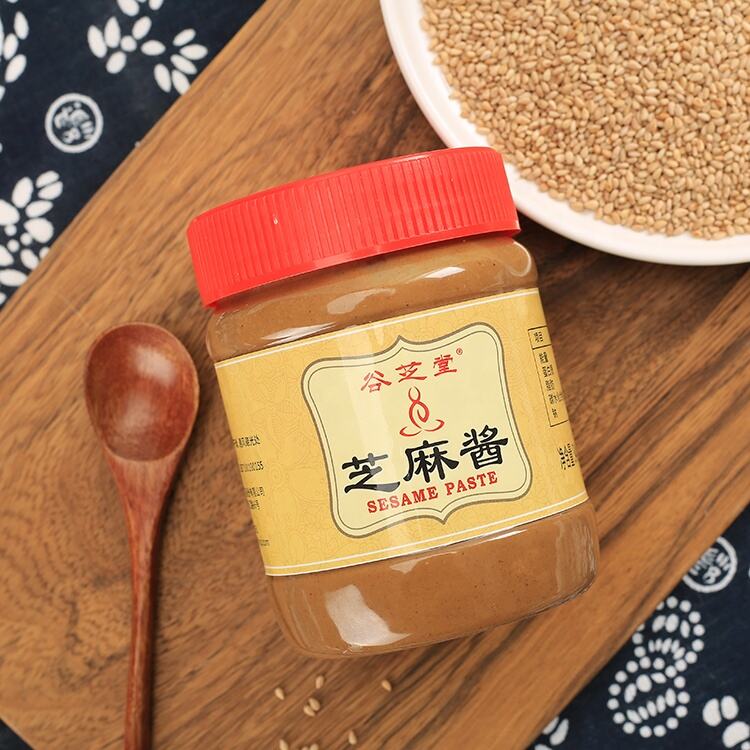
Unlocking the Rich Flavors of Toasted Sesame Seeds in Modern Cuisine
The ancient culinary tradition of aromatic roasted sesame has been enhancing dishes across cultures for thousands of years. These tiny seeds, when properly roasted, release an intense nutty aroma and deep flavor that can transform ordinary meals into extraordinary culinary experiences. In today's cuisine, chefs and home cooks alike are rediscovering the versatility of aromatic roasted sesame, incorporating it into everything from vibrant salads to complex sauce preparations.
The magic lies in the roasting process, which awakens the natural oils within the seeds, creating that characteristic toasted flavor that adds depth to any dish. When properly prepared, aromatic roasted sesame becomes a powerful ingredient that can elevate both simple and sophisticated recipes, offering not just flavor but also valuable nutritional benefits.
Essential Techniques for Perfect Sesame Roasting
Mastering the Dry Roasting Method
The key to achieving perfectly aromatic roasted sesame starts with selecting quality seeds and understanding the proper roasting technique. Begin with raw, untoasted sesame seeds, ensuring they're free from any moisture. A heavy-bottomed skillet or pan works best for even heat distribution. Heat the pan over medium heat, then add a single layer of sesame seeds.
The process requires constant attention and gentle movement of the seeds to prevent burning. Watch as they gradually turn from their natural off-white color to a golden brown, releasing their distinctive nutty aroma. This typically takes 3-5 minutes, but timing can vary based on heat intensity and quantity of seeds.
Temperature Control and Storage Solutions
Maintaining the right temperature is crucial when creating aromatic roasted sesame. Too hot, and the seeds will burn quickly, resulting in a bitter taste. Too cool, and they won't develop their full flavor potential. The ideal temperature range is between 350-375°F (175-190°C), though most home cooks will rely on visual cues and aroma rather than precise temperature measurements.
Once roasted, proper storage is essential to maintain freshness. Cool the seeds completely before transferring them to an airtight container. Stored in a cool, dark place, aromatic roasted sesame can maintain its peak flavor for up to three months.
Creative Applications in Salad Preparations
Building Layers of Texture and Flavor
Aromatic roasted sesame adds both texture and flavor to salads, becoming an essential component rather than just a garnish. Create depth by incorporating the seeds in multiple ways - sprinkled whole over the top, ground into a coarse powder to mix with other ingredients, or used in the dressing itself.
Consider a classic Asian-inspired salad where aromatic roasted sesame plays a starring role. Combine crisp vegetables like cucumber, carrots, and red cabbage with tender greens. The roasted seeds can be scattered generously throughout, while some are ground and incorporated into a vinaigrette with rice vinegar, soy sauce, and a touch of honey.
Seasonal Salad Combinations
Each season offers unique opportunities to showcase aromatic roasted sesame in salads. Summer calls for light, refreshing combinations like watermelon and feta cheese, enhanced by a generous sprinkle of toasted seeds. Fall and winter salads might feature roasted root vegetables, where the nutty depth of aromatic roasted sesame complements the natural sweetness of the vegetables.
Create interesting textural contrasts by combining the seeds with soft ingredients like avocado or roasted squash. The crunch of the sesame provides a delightful counterpoint to these creamy elements, while its roasted flavor adds warmth and complexity to the overall dish.
Innovative Sauce Creations
Traditional Sauce Foundations
The foundation of many Asian-inspired sauces begins with aromatic roasted sesame, either in seed form or as an oil. Traditional sesame sauce starts by grinding roasted seeds into a paste, then combining them with soy sauce, rice vinegar, and other seasonings. This versatile sauce can be adjusted in consistency and flavor to suit various dishes.
For a richer preparation, combine ground aromatic roasted sesame with tahini, creating a hybrid sauce that offers both depth and smoothness. This combination works particularly well in dressings for noodle dishes or as a dipping sauce for vegetables and proteins.
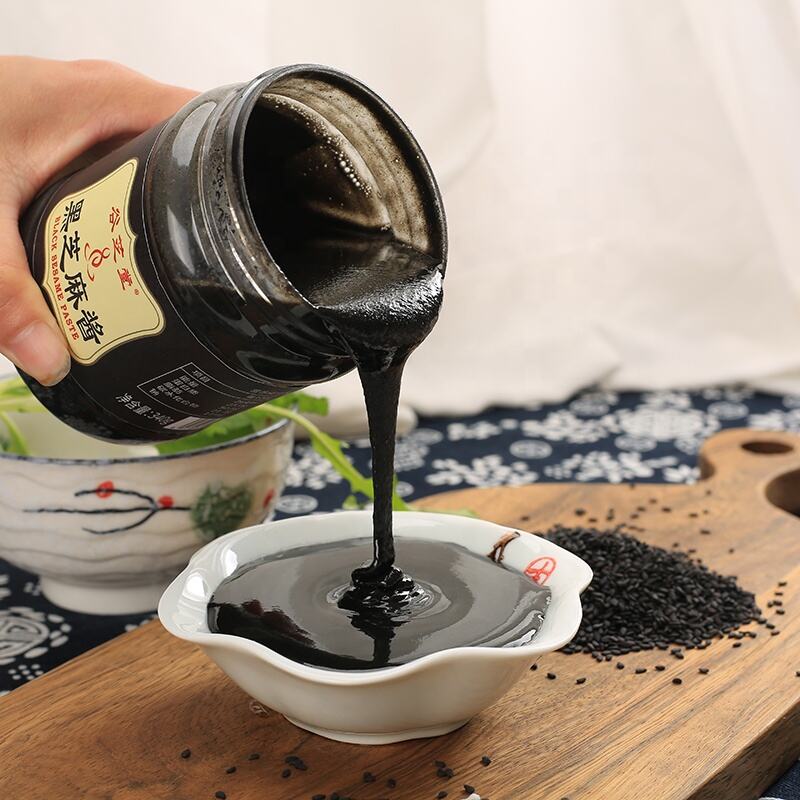
Modern Fusion Interpretations
Contemporary cuisine offers endless possibilities for incorporating aromatic roasted sesame into innovative sauce creations. Experiment with combining the seeds with non-traditional ingredients like miso paste, citrus juices, or even western-style mustards. These fusion sauces can bridge cultural culinary gaps while creating exciting new flavor profiles.
Consider a modern take on green goddess dressing, where aromatic roasted sesame adds depth to the traditional herbs and aromatics. Or create a spicy sauce by blending the seeds with chili oil and fermented ingredients for a complex, multilayered condiment.
Frequently Asked Questions
How long can I store aromatic roasted sesame seeds?
When stored properly in an airtight container in a cool, dark place, aromatic roasted sesame seeds can maintain their freshness and flavor for up to three months. For extended storage, they can be kept in the refrigerator for up to six months.
Can I roast different types of sesame seeds together?
While it's possible to roast different varieties of sesame seeds together, it's best to roast them separately as each type may have slightly different roasting times and temperature requirements for optimal flavor development.
What's the best way to grind roasted sesame seeds?
Use a spice grinder, mortar and pestle, or dedicated sesame grinder for the best results. Avoid over-processing, as this can release too much oil and create a paste rather than a powder. Short pulses work best to maintain control over the consistency.