 EN
EN
 DA
DA
 AR
AR
 NL
NL
 FI
FI
 FR
FR
 DE
DE
 EL
EL
 HI
HI
 IT
IT
 JA
JA
 KO
KO
 NO
NO
 PL
PL
 PT
PT
 RU
RU
 ES
ES
 SV
SV
 TL
TL
 ID
ID
 SR
SR
 UK
UK
 VI
VI
 HU
HU
 TH
TH
 TR
TR
 FA
FA
 AF
AF
 MS
MS
 GA
GA
 MK
MK
 HY
HY
 KA
KA
 BN
BN
 LA
LA
 MN
MN
 NE
NE
 MY
MY
 KK
KK
 UZ
UZ
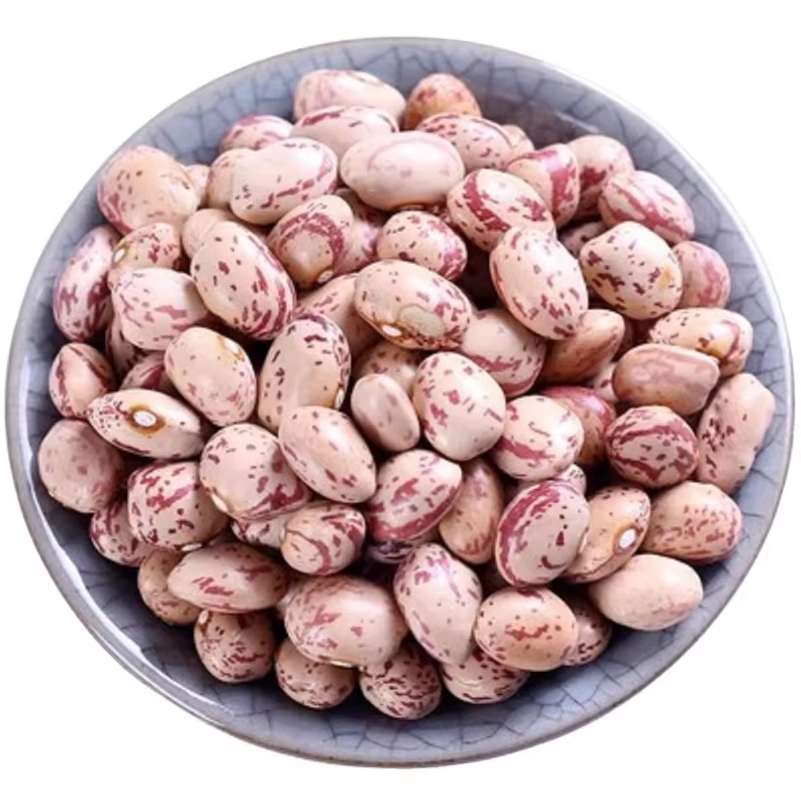
Selecting the appropriate peanut kernels for high-volume processing operations requires careful consideration of multiple factors that directly impact product quality, processing efficiency, and market competitiveness. Industrial food processors must evaluate kernel characteristics, supplier reliability, and processing requirements to ensure optimal outcomes. The choice of peanut kernels significantly influences everything from oil extraction rates to final product texture and flavor profiles in manufacturing environments.
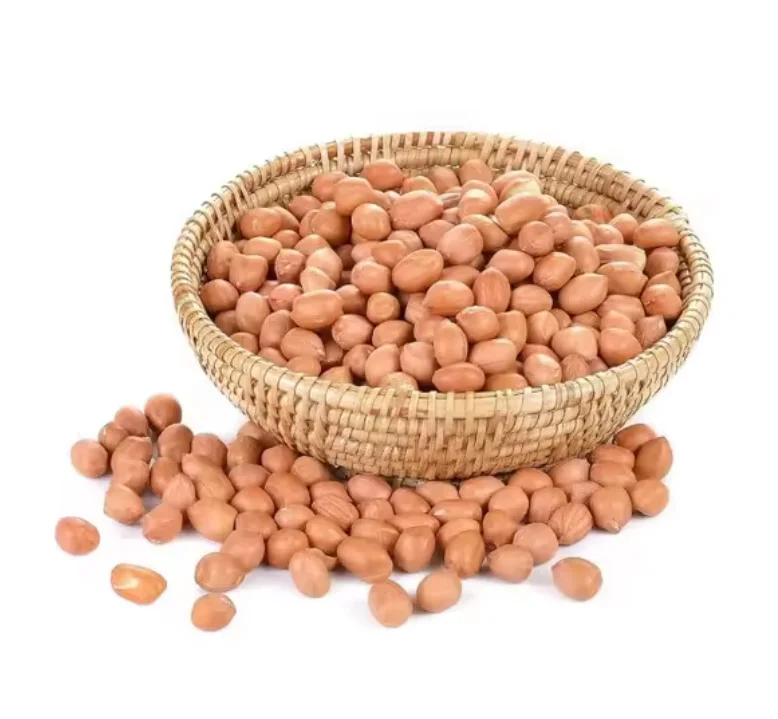
Understanding Peanut Kernel Classifications and Grades
Premium Grade Characteristics
Premium grade peanut kernels exhibit specific physical and quality attributes that make them ideal for high-volume processing applications. These kernels maintain consistent sizing, minimal defects, and superior oil content that enhances processing efficiency. Premium peanut kernels typically contain moisture levels between 5-7 percent, ensuring optimal storage stability and processing performance. The uniform shape and size of premium kernels facilitate automated sorting and processing equipment operation, reducing mechanical stress and product waste during manufacturing.
Quality control standards for premium peanut kernels include strict limitations on foreign material, damaged kernels, and discoloration. These specifications ensure that high-volume processors can maintain consistent product quality while minimizing equipment downtime and maintenance requirements. Premium kernels also demonstrate superior blanching characteristics, allowing for efficient skin removal in processing applications that require blanched peanut products.
Commercial Grade Specifications
Commercial grade peanut kernels offer cost-effective solutions for high-volume processing while maintaining acceptable quality standards for most industrial applications. These kernels may exhibit slightly more variation in size and minor cosmetic imperfections that do not significantly impact processing performance. Commercial grade specifications typically allow for higher percentages of split kernels and minor defects while still meeting food safety and quality requirements for processed products.
Processing facilities utilizing commercial grade peanut kernels often implement additional sorting and cleaning procedures to optimize kernel quality before manufacturing. The economic advantages of commercial grade kernels can offset the additional processing costs while still delivering acceptable end product quality. Understanding the specific requirements of your processing equipment and final product specifications helps determine whether commercial grade kernels meet your operational needs.
Evaluating Kernel Size and Uniformity Requirements
Size Distribution Impact on Processing
Kernel size distribution plays a crucial role in processing efficiency and product consistency across high-volume manufacturing operations. Uniform peanut kernels ensure even heat distribution during roasting, blanching, and other thermal processing steps, resulting in consistent product quality and reduced processing times. Size variations can lead to uneven cooking, with smaller kernels potentially over-processing while larger kernels remain under-processed, creating quality control challenges.
Processing equipment optimization relies heavily on consistent kernel sizing to maintain proper flow rates and minimize equipment adjustments during production runs. Peanut kernels with tight size distributions enable processors to maximize throughput while maintaining quality standards. Automated sorting systems perform more effectively when kernel size variations are minimized, reducing operational complexity and improving overall processing efficiency.
Uniformity Standards for Different Applications
Different processing applications require specific uniformity standards that must be matched to appropriate peanut kernels specifications. Snack food manufacturing typically demands the highest uniformity standards to ensure consistent product appearance and texture, while oil extraction processes may tolerate greater size variations without compromising efficiency. Understanding these application-specific requirements helps processors select kernel grades that optimize both cost and performance.
Measurement systems for kernel uniformity include count per ounce specifications and standardized sizing screens that classify peanut kernels into specific size categories. These classification systems enable processors to specify exact kernel sizes that match their equipment capabilities and product requirements. Consistent adherence to uniformity standards reduces product variability and improves customer satisfaction with finished goods.
Moisture Content and Storage Considerations
Optimal Moisture Levels for Processing
Moisture content management represents a critical factor in peanut kernels selection for high-volume processing operations. Optimal moisture levels typically range from 5 to 7 percent for most processing applications, providing the ideal balance between kernel integrity and processing performance. Higher moisture content can lead to equipment fouling, reduced shelf life, and increased risk of microbial growth during storage and processing.
Processing efficiency improves significantly when peanut kernels maintain consistent moisture levels throughout production runs. Moisture variations can affect grinding characteristics, oil extraction rates, and final product texture in ways that compromise quality control efforts. Regular moisture testing and supplier specifications help ensure that incoming kernel shipments meet processing requirements and maintain consistency across production batches.
Storage and Handling Requirements
Proper storage and handling protocols preserve peanut kernels quality and extend shelf life for high-volume processors who maintain significant inventory levels. Temperature-controlled storage environments prevent condensation and moisture migration that can degrade kernel quality over time. Adequate ventilation systems maintain air circulation while preventing exposure to environmental contaminants that could compromise food safety standards.
Inventory rotation systems ensure that older kernel stocks are utilized before quality degradation occurs, maintaining consistent processing performance throughout storage periods. First-in-first-out inventory management prevents the accumulation of aged peanut kernels that may exhibit reduced processing characteristics. Proper container sealing and pest control measures protect stored kernels from contamination and maintain food safety compliance throughout the supply chain.
Supplier Selection and Quality Assurance
Supplier Evaluation Criteria
Selecting reliable suppliers for peanut kernels requires comprehensive evaluation of quality systems, production capabilities, and supply chain reliability. Established suppliers demonstrate consistent quality performance through documented testing procedures, certifications, and traceability systems that support high-volume processing requirements. Supplier audits and quality assessments help verify that production facilities maintain appropriate food safety standards and quality control measures.
Long-term supplier relationships provide stability for high-volume processors who require consistent kernel quality and reliable delivery schedules. Supplier diversification strategies reduce supply chain risks while maintaining quality standards across multiple kernel sources. Contract specifications should clearly define quality parameters, testing requirements, and performance standards that align with processing needs and end product specifications.
Quality Testing and Verification
Comprehensive quality testing protocols ensure that incoming peanut kernels meet processing specifications and maintain consistency across shipments. Physical testing includes moisture analysis, size distribution measurement, and defect assessment that verify compliance with purchase specifications. Chemical testing may include oil content analysis, aflatoxin screening, and pesticide residue testing depending on end product requirements and regulatory compliance needs.
Documentation systems track quality test results and maintain traceability records that support food safety compliance and quality assurance programs. Statistical process control methods help identify quality trends and enable proactive adjustments to supplier specifications or processing procedures. Regular supplier performance reviews ensure that quality standards are maintained and improvement opportunities are identified and addressed promptly.
Cost Analysis and Economic Considerations
Total Cost of Ownership Calculations
Accurate cost analysis for peanut kernels procurement extends beyond initial purchase prices to include processing efficiency impacts, yield rates, and quality-related costs. Higher-grade kernels may command premium prices but deliver superior processing performance that reduces overall manufacturing costs. Processing efficiency improvements from consistent kernel quality can offset higher raw material costs through reduced waste, improved yields, and decreased processing times.
Quality-related costs include rework expenses, customer complaints, and brand reputation impacts that result from inconsistent kernel quality. Total cost analysis should quantify these indirect costs to provide accurate comparisons between different peanut kernels grades and suppliers. Long-term cost modeling helps identify the most economically advantageous kernel specifications for specific processing applications and market requirements.
Market Pricing and Procurement Strategies
Peanut kernels pricing fluctuates based on crop conditions, market demand, and seasonal factors that influence procurement strategies for high-volume processors. Forward contracting and hedging strategies help stabilize raw material costs and protect against adverse price movements. Understanding market dynamics and establishing relationships with multiple suppliers provides procurement flexibility and price competitiveness.
Volume purchasing advantages often provide significant cost savings for high-volume processors who can commit to large quantity purchases. Negotiating annual supply agreements with performance incentives encourages supplier investment in quality improvements while providing cost predictability for budget planning purposes. Market intelligence and industry analysis support strategic procurement decisions that optimize both cost and quality objectives.
FAQ
What is the ideal moisture content for peanut kernels in high-volume processing?
The ideal moisture content for peanut kernels in high-volume processing typically ranges from 5 to 7 percent. This moisture level provides optimal processing performance while preventing equipment fouling and maintaining product quality. Lower moisture content may cause excessive kernel breakage, while higher levels can lead to processing difficulties and reduced shelf life.
How do kernel size variations affect processing efficiency?
Kernel size variations significantly impact processing efficiency by causing uneven heat distribution during thermal processing steps and creating challenges for automated equipment operation. Uniform peanut kernels ensure consistent processing results, reduce equipment adjustments, and improve overall throughput while maintaining product quality standards.
What quality testing should be performed on incoming kernel shipments?
Essential quality testing for incoming peanut kernels shipments includes moisture analysis, size distribution measurement, defect assessment, and oil content verification. Additional testing may include aflatoxin screening, pesticide residue analysis, and foreign material detection depending on processing requirements and regulatory compliance needs.
How can processors balance cost and quality when selecting peanut kernels?
Processors can balance cost and quality by conducting total cost of ownership analyses that consider processing efficiency impacts, yield rates, and quality-related costs beyond initial purchase prices. Understanding the relationship between kernel quality and processing performance helps identify the most economically advantageous specifications for specific applications and market requirements.